Data Centers: Arlington Weighs Zoning, Noise Limits
City officials presented council members with draft regulations covering setbacks, building heights and cooling methods for several types of facilities.
By Sakura McCarthy ·
Arlington officials are drafting rules that would decide where data centers can go and how they must operate, a proposal that puts limits on noise, height and cooling methods ahead of any developer interest in the city. City Council members received the proposed ordinances Tuesday, their first look at zoning requirements written for three categories of facilities: those in standalone buildings, those acting as accessories to larger infrastructure, and those operating in shared spaces.
Kenneth Bloom, assistant director of land development, told the council that the ordinances were built around the facility types most likely to appear in Arlington, given the city's limited land. Enterprise facilities, which require 5 to 10 acres and are operated by a single company for internal data and operations, were identified in city documents as the standalone type most likely to be built in Arlington. D.R. Horton's facility off Interstate 30 in north Arlington is cited as an example.
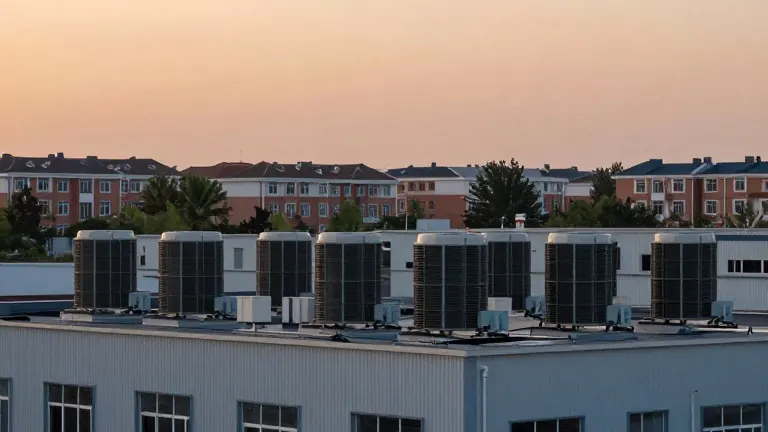
Under the proposed rules, standalone data centers would be allowed only in light industrial and industrial manufacturing zones with a specific use permit, and in planned development zones when the project is named in the plan. Those facilities would have to sit at least 300 feet from homes, top out at 75 feet in height, and forgo evaporative cooling. Enterprise and standalone centers would also face daytime and nighttime noise limits plus testing before and after construction.
Edge data centers, which Bloom described as equipment box-accessories operating inside or near a larger building, would be capped at 200 square feet of surface area and 12 feet in height. No cooling rules were proposed for them. Co-located facilities, which city staffers say have a moderate chance of landing in Arlington, would be permitted in any nonresidential zone provided they serve the building's primary use, though they would be barred from evaporative cooling and outdoor backup generators such as diesel units. Depending on size, battery energy storage systems would be allowed.
Council member Brittney Garcia-Dumas asked Bloom how the ordinances were drafted and said she wants data centers located "as far away" from homes as possible. Bloom replied that the rules drew on research into ordinances around the country and the state, then were "tailored to what Arlington's needs really would be." Garcia-Dumas said she supports requiring noise modeling before permits are granted. "I'm in favor of the modeling … so that we can really look out for our residents as we are also looking out for our economic future," she said.
Bloom told the council that the proposed regulations remain subject to change. "This is a work in progress. The technology changes every day," he said. City documents state that accessory-designated data centers may act as additions to a building, such as a financial services company using one of its three floors for data operations.
Source: Fort Worth Report