France prepares for mass protests as Macron seeks to prevent renewed unrest
Large demonstrations and public sector strikes are expected across France on Thursday as the government seeks to contain tensions five months before a presidential election.
By News Media House Staff ·
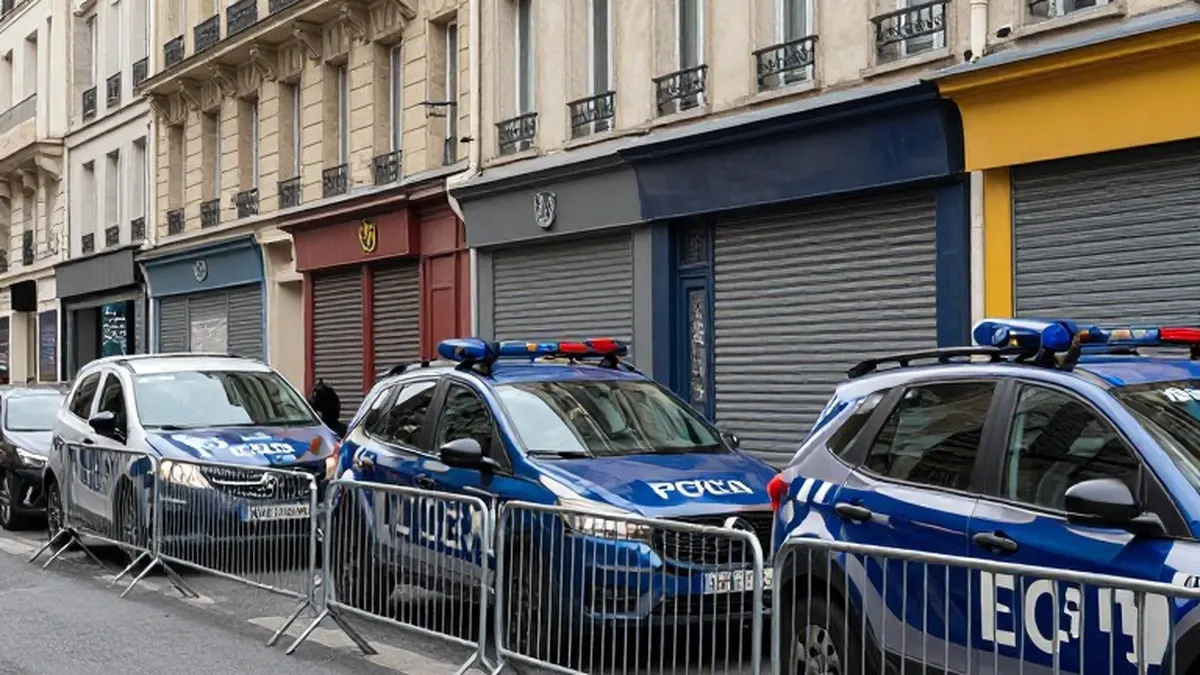
French authorities are preparing for hundreds of thousands of people to take to the streets on Thursday, November 5, alongside strikes by public workers. The mobilization presents another challenge for President Emmanuel Macron after weeks of unrest that have shaken his government and taken over the political agenda with a presidential election five months away.
Trade unions, including the left-wing CGT, have called the action with support from student groups. Demonstrations focused on living costs, public services and education have led to France's worst civil unrest in years. The movement initially grew out of students' frustration with deteriorating school conditions and concerns about opportunities for young people, before becoming a wider challenge to the government.
Officials are trying to prevent a repeat of October 17, when riots and looting surprised security forces and left shops and public buildings damaged across the country. The violence intensified criticism of Macron's response to the crisis. Speaking after Wednesday's cabinet meeting, government spokeswoman Maud Bregeon said authorities were “extremely vigilant” and determined to avoid a recurrence.
Around 70,000 police officers will be deployed nationwide, according to BFM TV. The broadcaster also reported that domestic intelligence officials expected between 500,000 and 700,000 demonstrators outside Paris. Macron held a defense and security meeting on Wednesday ahead of the planned protests, reflecting the government's concern over the scale and direction of the movement.
Disruption is also expected in schools and transport. The Education Ministry estimated that 17.5% of public primary school teachers would strike, while unions warned that rail and public transport services could be affected. Students preparing to march said school conditions and uncertainty about their future remained central concerns. Irma de Banville, a 19-year-old student in Paris, said fear of police violence was discouraging some people from participating. The government has defended police tactics while promising to investigate any abuses.
An official close to Macron said the government's aim over the coming weeks was to bring the unrest under control and allow the presidential election campaign to begin as calmly as possible. The official pointed to a decline in the number of high schools being blockaded this week compared with earlier stages of the crisis.
Protests across France last Saturday were mostly peaceful, although some clashes occurred on their fringes. Political tensions nevertheless remain high as presidential candidates position themselves and opposition parties try to draw support from dissatisfaction with living standards and government policies.
Power sector unions are also expected to participate in Thursday's strike, state-owned utility EDF said. An earlier strike in the sector in mid-September lowered electricity supply and reduced delivery capacity at Dunkirk LNG, France's largest liquefied natural gas terminal.
Originally published by News Media House · Source: The Jerusalem Post