Lula wins Brazil runoff by 4 million votes as Flávio Bolsonaro files challenge
A surge of 14.1 million extra voters shifted the second-round results, prompting the senator to seek annulment and drawing a 'rigged' label from President Trump.
By Sakura McCarthy ·
Luiz Inácio Lula da Silva secured 64 million votes in Brazil’s presidential runoff on Sunday. His rival, Senator Flávio Bolsonaro, received just under 60 million. The gap of nearly 4 million votes gives the incumbent a decisive mandate for his fourth non-consecutive term. Lula is scheduled to take office on Jan. 5, 2027.
The path to this result was unusual. In the first round, the election set a record for abstentions. Many voters did not show up. For the runoff, 14.1 million additional voters entered the polling stations. Analysts estimate that three-quarters of these new votes went to Lula. This shift turned a close contest into a clear victory.
Lula’s campaign changed its digital strategy after the first round. Lawmaker André Janones took over social media efforts. He launched a WhatsApp channel called “Lula's Army.” The group gathered almost 11 million members. Janones used this network to mobilize voters who had been uncommitted or had voted for third-party candidates. Professor Oliver Stuenkel of Fundação Getulio Vargas noted that the campaign adopted an aggressive style similar to the right-wing opposition.
A final-minute decision extended voting hours nationwide on Sunday. Both candidates requested the extension. Lula cited public transportation issues in São Paulo and Salvador. Bolsonaro pointed to heavy rains in the south. A Supreme Court justice approved the move minutes before the standard 5 p.m. closing time. Many polling stations received the news late. The chaotic process delayed the final tally but did not change the outcome.
Flávio Bolsonaro announced plans to request an annulment of the election on Sunday. He cited the chaotic extension of voting. His father, former President Jair Bolsonaro, is serving a 27-year sentence for a coup attempt and also contested the 2022 election. Flávio visited his father, who is under house arrest, on Monday. It remains unclear which legal path he will pursue to overturn the result.
President Donald Trump commented on the election on Monday. He suggested the result was rigged without providing specific evidence. He told reporters that the tabulation process looked bad. He called it another rigged election. Trump was preparing to fly to Mississippi for a rally when he made these remarks.
Brazil’s electoral authority recognized Lula’s victory quickly. President of the electoral authority Kassio Nunes, who was appointed to the Supreme Court by Jair Bolsonaro, confirmed the result on Sunday. Conservative leaders across the region have also signaled that they will respect the outcome. Brian Winter, editor-in-chief of Americas Quarterly, said that Brazilian power brokers are closing ranks behind Lula, sometimes begrudgingly.
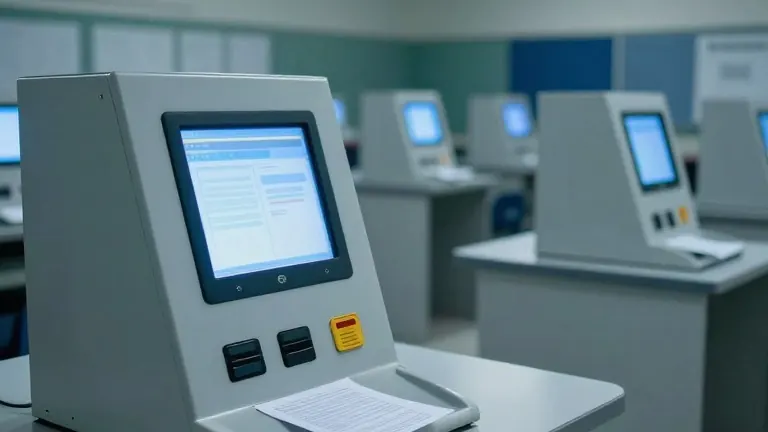
Lula’s victory marks the first time since 1989 that a candidate recovered from a first-round deficit to win the runoff. His gains were strongest in lower-income municipalities. He also mobilized former non-voters and those who voted blank in the first round. The electronic voting system, used since the 1990s, has historically reported results within hours of polls closing. No major fraud has been detected in the system.
Lula faces a right-wing Congress where Bolsonaro’s party holds the most seats. He also confronts a possible fiscal crisis and deep political polarization. Flávio Bolsonaro remains a senator until his term ends in January. Benjamin Gedan of the Stimson Center noted that false claims of fraud are becoming common, though they remain dangerous. The election results stand as the official record despite the ongoing legal challenges.
Source: ABC News