Ministers seek national rules for shared e-bike parking and riding
A Department for Transport consultation will examine parking standards, rider behaviour and greater local control over shared e-bike services.
By News Media House Staff ·
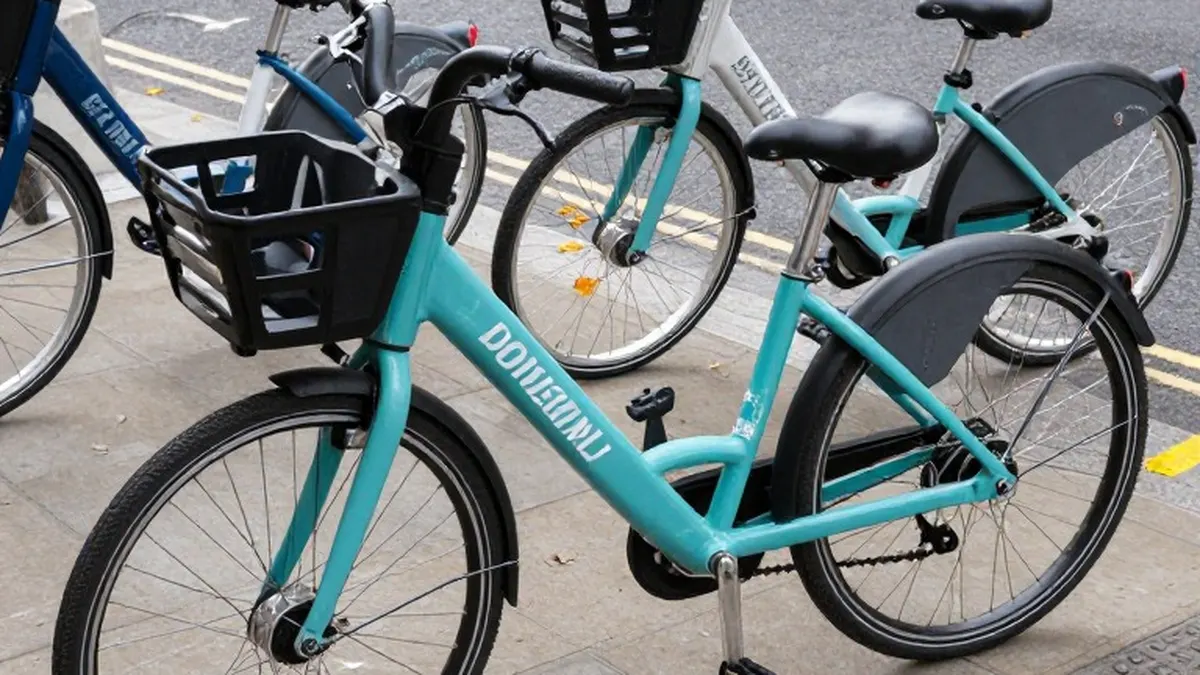
Ministers are seeking to introduce national standards for shared e-bike services to address blocked pavements and irresponsible riding. A consultation led by the Department for Transport will consider how to replace the patchwork of arrangements between rental companies and individual councils with a more consistent approach.
Parking requirements currently differ between areas. Some require bikes operated by companies such as Lime, Forest and Voi to be returned to designated bays, while others apply less restrictive rules. Bikes left obstructing pavements have prompted complaints, particularly because of the difficulties they create for wheelchair users, people with pushchairs and people with impaired vision.
The consultation will also examine antisocial and illegal riding, including passing through red lights and using rental bikes while underage or drunk. Ministers will consider guidance on fleet sizes to prevent excessive concentrations of bikes in particular areas. Possible insurance requirements for operators will also be explored, allowing someone struck by a hired e-bike rider to seek compensation.
Other questions include whether councils and mayors should have powers over rental charges and whether operators should be required to share data. Such information could support enforcement and transport planning. The department says shared e-bikes are becoming increasingly important to urban travel, but the absence of central oversight has caused problems. Operators themselves have called for greater regulation.
Shared e-bike schemes have grown quickly since reaching the UK in 2018, particularly in London, with Lime by far the largest operator. One estimate suggests more than 2.6 million Britons used a scheme during the year to September 2025. Evidence indicates that these services attract a wider demographic range than traditional bikes, partly because electric assistance makes riding easier and users do not need a secure place to store a bicycle.
Prime minister Andy Burnham described the proposed changes as “a small but important everyday fix to make our streets safer”. He said e-bikes could make travel easier, but pavement obstructions and irresponsible use caused frustration. His stated aim was to give communities greater control over parking and ensure that operators and riders followed the rules.
Transport secretary Heidi Alexander said shared schemes had changed travel in towns and cities, encouraged activity and helped reduce emissions. She said they also needed to work for the communities hosting them, with local leaders able to address nuisance parking and antisocial behaviour.
Separate work in London would transfer powers from the department to mayor Sadiq Khan and Transport for London to bring greater consistency to rules that currently vary significantly between boroughs. Khan welcomed the plans, saying rapid growth had created challenges involving safety, parking and access to data. He said he had sought powers to manage dockless schemes since the first services arrived in London in 2017.
Originally published by News Media House · Source: The Guardian