Thousands of Israelis fly home to vote
An estimated 67,000 expatriates are returning to Israel for the October 27 election, with many citing the lack of absentee ballots as the primary barrier to participation.
By Eric Coleman ·
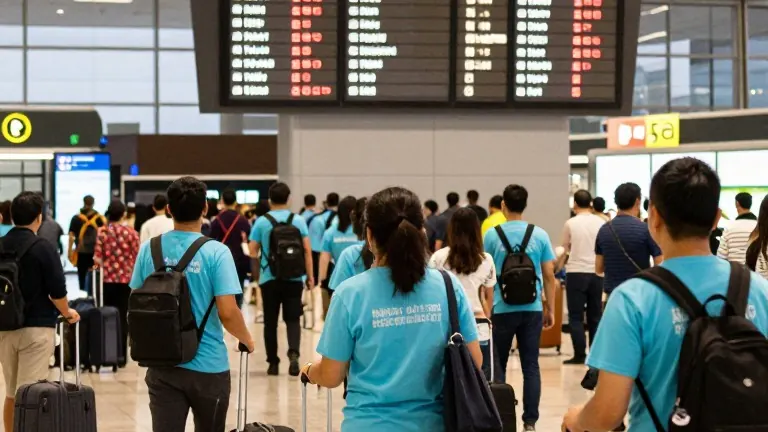
An estimated 67,000 Israelis living abroad are flying home to cast their ballots in the October 27 election. This surge in travel is driven by the country's prohibition on absentee voting for most citizens, forcing expatriates to return in person to participate in what many observers describe as a decisive contest for the government's future.
The logistics of this mass return are already visible at major U.S. airports. On Sunday, October 25, El Al flight 48 departed San Francisco International Airport for Tel Aviv. The nonstop flight carried 271 passengers, many of whom are making the trip specifically to vote. It was the first direct service between San Francisco and Israel since the October 7, 2023 attack by Hamas.
Ayelet Frank, a resident of Redwood City, California, was among the first to check in for that flight. She has lived in the United States since 1984. This marks the first time in her more than 40 years abroad that she is returning to the ballot box. She described the stakes of the vote as existential, stating that the election is about the country's very existence rather than standard policy differences.
The push to organize these flights is led by Fly & Vote, a project of the America Israel Democracy Coalition. The group estimates that 67,000 Israelis will return for the vote based on a voluntary August survey and registration data. The coalition has warned that this figure is not a final arrival count but reflects a significant shift in behavior compared to previous elections, where such data was not tracked in the same manner.
The Likud-led government in Israel has attempted to slow this effort through legal channels. In October, the Supreme Court blocked a legal action brought by the government against the Fly & Vote initiative. Reports indicate that the government also considered slowing traffic at Ben Gurion International Airport in the days leading up to the election. Analysts suggest that these measures stem from a belief that returning expatriates will largely vote against the current administration.
Passengers on the San Francisco flight echoed that sentiment. Udi Pardo, a resident of Capitola, California, who left Israel in 1983, said the current political climate constitutes a national emergency. He has not yet chosen between the center-right parties of Gadi Eisenkot and Naftali Bennett but believes the country needs to reestablish liberal democracy. Roni Bar-Niv, who runs a Hebrew-language school in Sunnyvale, said she is spending only two days in Israel to vote before returning home.
The demographic shift in Israel is influencing this political behavior. According to the Central Bureau of Statistics, 82,800 Israelis left the country in 2024, a sharp increase from 55,000 in 2023. More than 69,000 emigrants left in 2025. Opposition lawmaker Gilad Kariv has called this trend a strategic threat, linking it to the government's conduct during the war in Gaza and its handling of the judicial overhaul.
The October 27 election features 37 parties on the ballot, but only about a dozen are expected to clear the 3.25 percent threshold required to win seats in the Knesset. Current polls show a tight race, with Eisenkot's Yashar party projected to win 22 to 23 seats and Netanyahu's Likud party polling at 19 to 21. Neither party is expected to secure a clear majority, meaning the winner will have to negotiate a governing coalition.
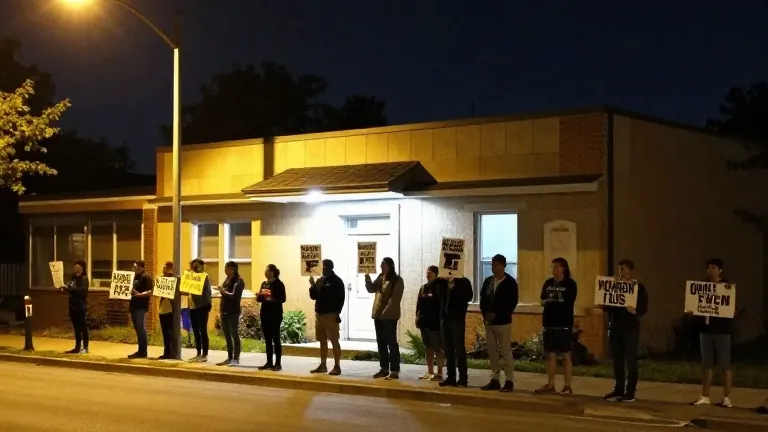
For many travelers, the decision to fly home is also an act of political solidarity. Iddo Tal, a tech entrepreneur in Palo Alto, has voted in past elections by timing visits to coincide with polls. He believes the diaspora must stay connected to the political process. Hadar Aviram, a law professor at UC Law San Francisco, wore a light blue t-shirt from the expatriate group UnXeptable, which has organized protests against the government. She said she is flying home to release the country from what she called a corrupt administration.
Polls open on Tuesday, October 27. The results will determine whether Netanyahu remains in power or if a new coalition forms to lead the country. The return of these thousands of voters is being watched closely as a potential swing factor in the tightest race in recent Israeli history.
Source: The Jerusalem Post