
Democrats Seize Congressional Control as Republicans Face Historic Midterm Defeat
Democrats have taken control of both the House and Senate following a decisive midterm victory, prompting Republican leaders to reassess strategy and President Trump to defend his administration's record.
By News Media House Staff ·
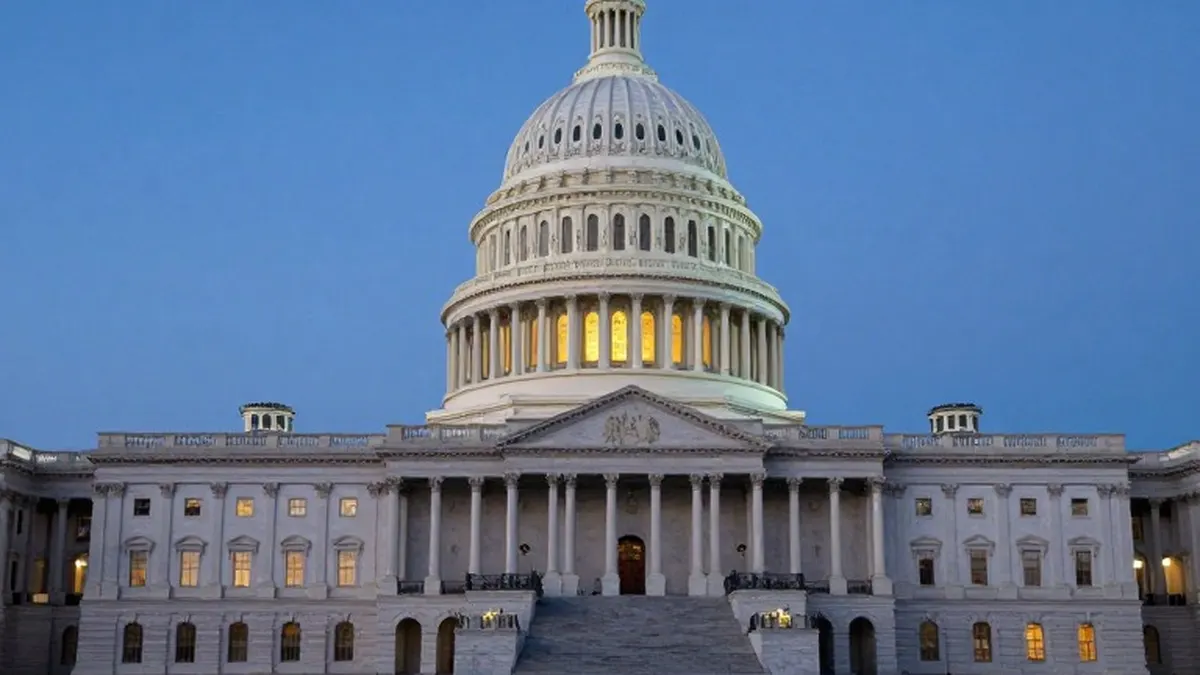
The 2026 midterm elections concluded with a decisive shift in power, as Democrats secured control of both chambers of Congress. Projections indicate that House Democrats will hold between 251 and 268 seats, a result driven by the party flipping more than two dozen Republican-held districts. These gains spanned a wide geographic range, including suburban areas in the Northeast and parts of South Texas that were previously considered solidly Republican. In the Senate, Democrats claimed at least 54 seats, although races in Alaska and Mississippi remain too close to call.
The victory marks a significant reversal for the Republican Party, which had undertaken an aggressive mid-decade redistricting effort to maintain its House majority. Despite these strategic moves, the GOP lost control of the chamber. The defeat has triggered immediate internal assessments, with top Republican figures debating the causes of the loss and positioning themselves for future leadership roles. House Speaker Mike Johnson announced he will not seek the minority leadership position, while House Majority Leader Steve Scalise and Judiciary Chair Jim Jordan have both expressed interest in leading the party's new minority caucus.
President Donald Trump addressed the results during a visit to his White House ballroom construction site. He attributed the losses to the presence of the Iran war and the lack of his name on the ballot. Trump stated that he would have won if he had been a candidate, arguing that the enthusiasm seen at his rallies did not transfer effectively to down-ballot candidates. He also expressed confidence in keeping Defense Secretary Pete Hegseth, though sources indicate he is consulting advisers on whether a replacement might be easier to confirm before the new Congress convenes in January.
Vice President JD Vance offered a different diagnosis, publicly blaming the Iran war for the GOP's defeat. He suggested that many voters who supported Trump in 2024 switched to Democrats to end the conflict and address cost-of-living concerns. This view aligns with outgoing Senator John Cornyn, who wrote an op-ed criticizing the party for forgetting basic coalition rules. Cornyn argued that Republicans alienated voters through infighting and failed to follow through on campaign promises, noting that character and integrity are essential for winning back trust.
With Democrats taking the helm, they have outlined a robust agenda for oversight and investigation. Senate Minority Leader Chuck Schumer pledged to entangle the administration in legislative razor wire, focusing on actions that defy the will of the American people. In the House, incoming Oversight Committee Chair Robert Garcia identified four key areas for scrutiny: Trump family business dealings, corporate corruption, Department of Homeland Security actions, and the Jeffrey Epstein scandal. While some Democratic leaders emphasize aggressive accountability, moderate incoming Senator Adam Hamilton of Kansas cautioned against letting investigations consume the entire legislative agenda.
The election results also highlighted the impact of significant financial backing in key races. In Texas, Democrat James Talarico defeated Attorney General Ken Paxton for a Senate seat, a win he attributed to a rejection of big money in politics. Talarico noted that Elon Musk had spent over $150 million to support Paxton, and he declared that his victory sent a clear message that Texas is not for sale. The outcome in Texas, along with similar shifts in other states, underscores a broader voter desire for change in economic and foreign policy directions.
As the lame-duck session begins, the new Democratic majority is expected to press for confirmations and legislation before the new Congress takes full shape in January. The administration is focusing on projects it can control, such as the development of the presidential library, while navigating a Congress that has signaled a more adversarial stance. The political landscape has fundamentally changed, setting the stage for a contentious final two years of the current presidential term.
Originally published by News Media House · Source: CBS News
More News · National news · Report a business · Got a Story?