Claire Sorenson reports that backyard ponds attract Gulf Coast Toads within days
A writer from the Austin Chapter of the Native Plant Society of Texas details a low-cost method for creating aquatic habitats using rainwater and native plants.
By Eric Coleman ·
Claire Sorenson observed 24 tadpoles in her backyard pond just one day after Gulf Coast Toads laid eggs in the water. The author of the Fall 2026 issue of Texas Native Plants magazine says this rapid colonization occurred shortly after she moved her water features to a new home in south Austin.
Sorenson, a member of the Austin Chapter of the Native Plant Society of Texas, notes that many residents assume their yards lack aquatic life because they cannot see it. She found that adding a simple water source immediately drew wildlife to her property. The toads appeared on her patio first, followed by mating calls at night and the appearance of egg strings in her smaller pond.
The timeline for establishing a functional habitat is short. Sorenson moved her ponds to her current location a few weeks before this report. Within days, birds began visiting to drink and bathe. She identified several species, including House Finches, Goldfinches, Summer Tanagers, Eastern Phoebes, Robins, Cardinals, Yellow-rumped Warblers, Bluebirds, Chickadees, Titmice, Orange-crowned Warblers, Cedar Waxwings, and Red-winged Blackbirds. Insects such as bees and wasps also visited the water.
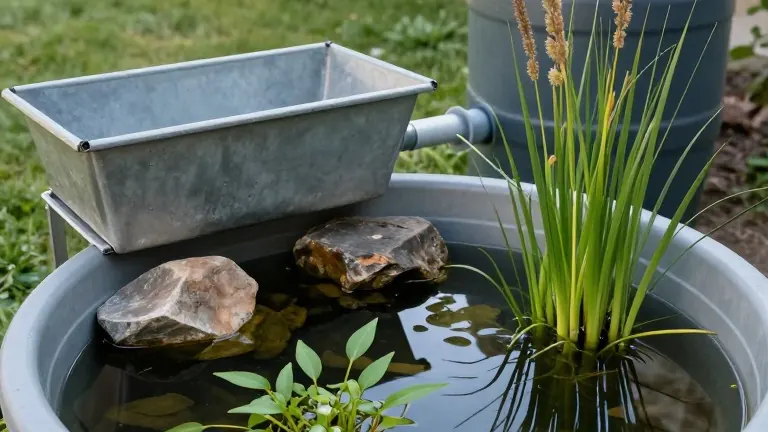
Sorenson recommends a specific set of components for a low-maintenance pond. She advises using containers such as metal livestock troughs, plastic liners, or large tubs. The water source should be rainwater or tap water that has sat for 24 hours to dissipate chlorine, which is toxic to aquatic wildlife. She lists ten native wetland plants for her pond, including Whitetop Sedge, Cardinal Flower, and Pickerelweed.
Mosquito control is a key consideration for the design. Sorenson recommends using dunks from hardware stores rather than mosquito fish if the goal is to support amphibians. Mosquito fish consume amphibian eggs and tadpoles, while dunks are harmless to other life and require monthly application. She stacks rocks inside and outside the container to create a ramp for animals to enter and exit the water.
The system requires no aerator or water filter. Plants oxygenate the water and keep it clean. Sorenson notes that frogs and toads lay eggs in still water to prevent them from being swept away by currents. Tadpoles eat algae and small bugs in the pond and grow legs in about 20 to 30 days.
Sorenson uses a homemade rainwater collection system to fill her ponds. She connects 55-gallon barrels to gutter downspouts using 3-inch PVC pipes. The barrels are placed on raised platforms to allow water to flow into the ponds by gravity or via a small pump. She adds filter baskets to the downspouts and tank openings to keep debris out.
The City of Round Rock offers a rebate for water customers who install rainwater collection systems. Sorenson suggests that residents in the area can utilize this financial incentive to offset the cost of barrels and plumbing. She states that her simple setup has worked for years to fill her pond and water her gardens.
Sorenson identifies Hill Country Water Gardens near Austin and Green Star Wetland Plant Farm near Houston as sources for native water plants. She advises homeowners to check local nurseries or conduct an online search for regional resources. The goal is to provide fresh water for species that are already present but often overlooked in urban landscapes.
Source: City of Round Rock