Louisiana loses coast as state drops big river projects
The state has lost 2,000 square miles of wetlands since 1932, and new leadership is pausing the main tool used to rebuild the land.
By Sakura McCarthy ·
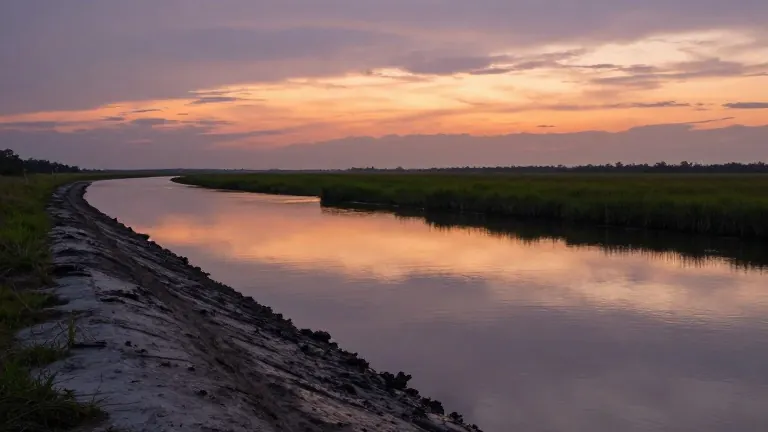
Residents in coastal Louisiana face a shrinking shoreline. The state is losing land faster than any other river delta on Earth, according to a recent University of California study.
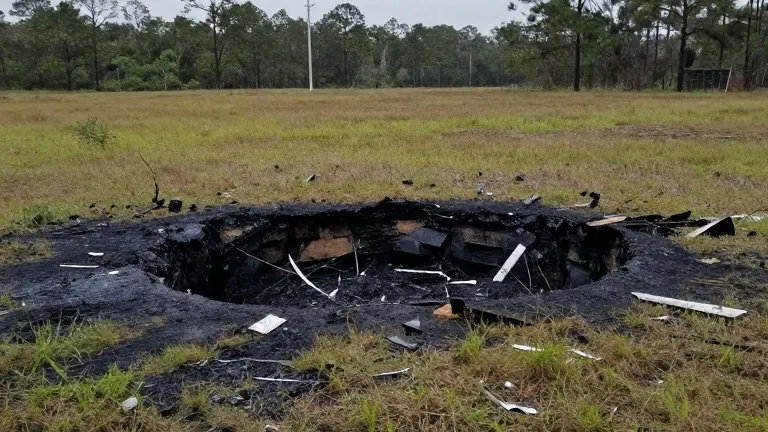
The Mississippi River Delta covers roughly 2.7 million acres. It holds the largest brackish marsh in North America. Since 1932, the U.S. Geological Survey says the state has lost about 2,000 square miles of wetlands.
The loss stems from several causes. The ground sinks as the river’s natural sediment supply drops. Sea levels rise. Canals cut for oil drilling disrupt tidal flows. Levees built after the 1927 flood keep the river away from the delta.
Chris McLindon, a geologist, compared the historical sediment volume to the Himalayas. He said if the mountain range was shaved at sea level and flipped upside down, it would be five miles deep. That equals the amount of sediment the river once delivered. Today, locks and dams far upstream trap much of that material before it reaches New Orleans.
The missing marsh acts as a buffer against hurricanes. Mark Davis, a research professor at Tulane University, noted that cities like Miami or Norfolk lack this natural barrier. He said Louisiana’s coast provides a space to manage storm surge that other coastal cities do not have.
The state has restored 55,000 acres and more than 70 miles of barrier islands. However, Governor Jeff Landry’s administration recently abandoned plans for large-scale sediment diversion projects. These projects were central to the coastal program. Commercial fishermen opposed the plans, arguing that moving large volumes of river water would harm marine life and their catch.
Foster Creppel, an activist in Plaquemines Parish, supports the diversions. He believes the state must unite to save the estuary. He said, "If we continue fighting over it, we really don't have a chance."
Source: WVUE-DT