Nvidia’s Microducks Surge Past 20,000 Preorders After Viral Keynote Moment
A playful demonstration at GTC Berlin has positioned the open-source robot duck as a top contender for the holiday toy market, signaling a shift in how AI hardware is marketed to consumers.
By Robert Herrera ·
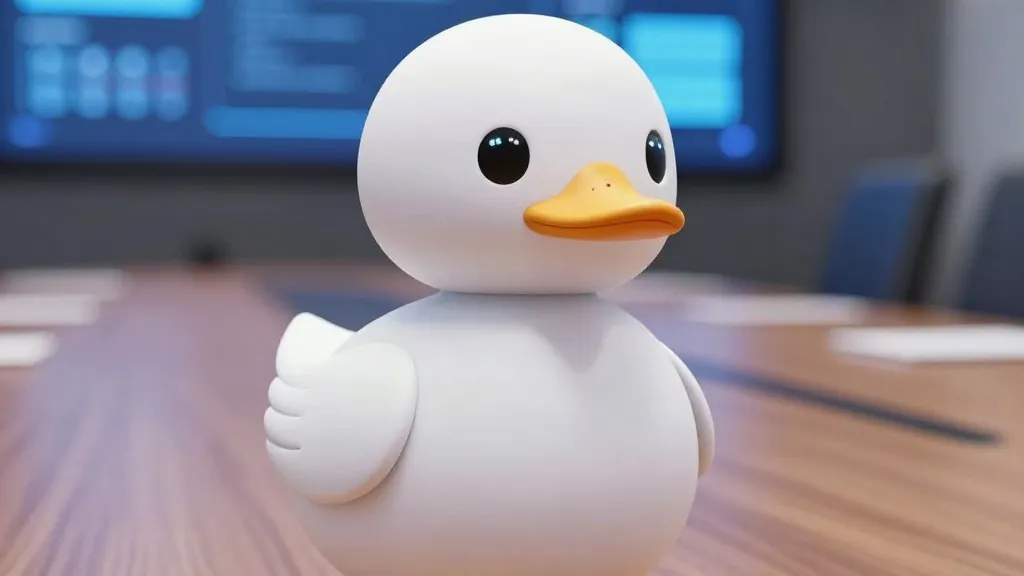
A small, waddling robot has suddenly become the center of attention for one of the world’s most powerful technology companies. The moment captured on camera at the GTC Berlin conference this week transformed a standard corporate presentation into a viral sensation, instantly reshaping the landscape of consumer robotics.
The timeline of this rapid rise begins with Jensen Huang, CEO of Nvidia, taking the stage at the company’s GTC Berlin event. During the keynote, he interacted with a group of Microducks, small robotic devices that responded to voice commands by sitting, falling into a simulated nap, and performing somersaults. The robots also produced tiny, beeping sounds reminiscent of R2-D2 from Star Wars, adding to their charm. The video of this interaction spread quickly across social media platforms, capturing the public imagination far beyond the initial audience of tech professionals.
The commercial impact was immediate and measurable. By the day following the keynote, preorders for the Microducks had surpassed 20,000 units, according to Clem Delangue of Hugging Face. This surge in demand suggests that the product has transcended the typical niche of early adopters. Delangue has suggested that these robots may end up being the best-selling robot of the year, noting that promotional materials feature adults playing with the devices, not just children. This indicates a broader appeal that could make the Microduck a mainstream holiday gift rather than a specialized gadget for enthusiasts.
The path to this market success is rooted in a specific corporate structure that emerged earlier in the year. The Microducks are manufactured by Pollen Robotics, a company that was acquired by Hugging Face in 2025. In September, Nvidia purchased Hugging Face, making Pollen Robotics, and by extension the Microducks, part of the Nvidia family. This acquisition places the toy within the ecosystem of a GPU giant, leveraging its technological resources to support a consumer-facing product. It marks the second robot developed by Hugging Face, following the similarly cute Reachy Mini, but the Microduck appears to have struck a stronger chord with the general public.
Technologically, the devices are built on open-source principles, a key differentiator in a market often dominated by closed ecosystems. The robots were trained using Nvidia’s technology stack, which involved using simulations to teach them fundamental behaviors such as walking, sitting, and standing. These pre-programmed tricks are included in the ship-ready firmware. However, the open-source nature of the device allows for more than just basic interaction. Pollen Robotics states that owners can train their own Microducks to perform new tricks and share these custom programs with the wider community, fostering a collaborative environment around the hardware.
The timing of this release is significant for the holiday season. With deliveries expected to arrive in time for Christmas, the Microducks are poised to compete directly with traditional toys. The viral success of the keynote demonstration has provided a massive marketing boost without the need for a traditional advertising campaign. Instead, the product’s appeal was driven by its demonstrable charm and the credibility of the Nvidia brand. This organic growth suggests that consumers are looking for tangible, interactive AI experiences that are accessible and enjoyable, rather than abstract or complex systems.
This development offers a contrasting narrative to recent headlines in the artificial intelligence sector. In the same week that the AI industry faced criticism over its involvement in several high-profile cyberattacks, the Microduck provided a lighter, more positive image. While the industry continues to grapple with concerns about the potential risks and damages AI might inflict on the world, the success of the Microduck highlights the potential for AI to be fun and engaging. It serves as a reminder that the technology can be approachable and delightful, not just powerful and potentially intimidating.
As the holiday season approaches, the Microducks are likely to be one of the most talked-about gifts. Their combination of cute design, open-source flexibility, and backing from a tech giant like Nvidia makes them a unique entry in the toy market. The rapid jump to 20,000 preorders in under 24 hours indicates strong consumer confidence. For Nvidia, this is more than just a successful toy launch; it is a demonstration of how their technology can drive consumer engagement. For the market, it signals that the era of household robots is moving from the laboratory to the living room, one waddling duck at a time.
Source: TechCrunch · original report published