Arab Parties Break Historic Seat Record
With Netanyahu's bloc at 53 seats, the path to a stable government now depends on unlikely alliances in a fractured parliament.
By Robert Herrera ·
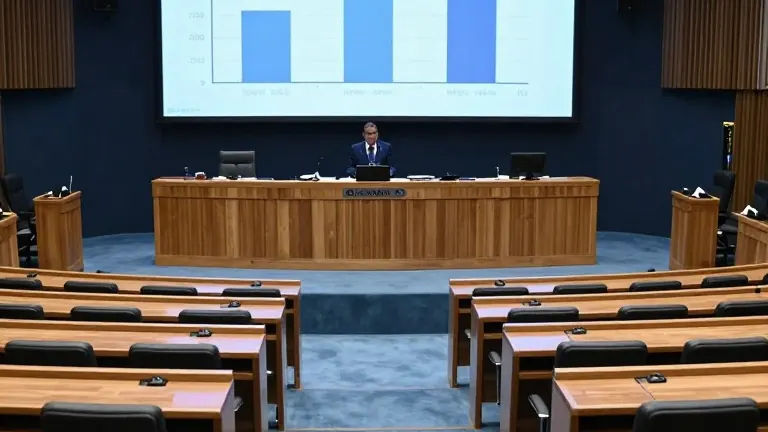
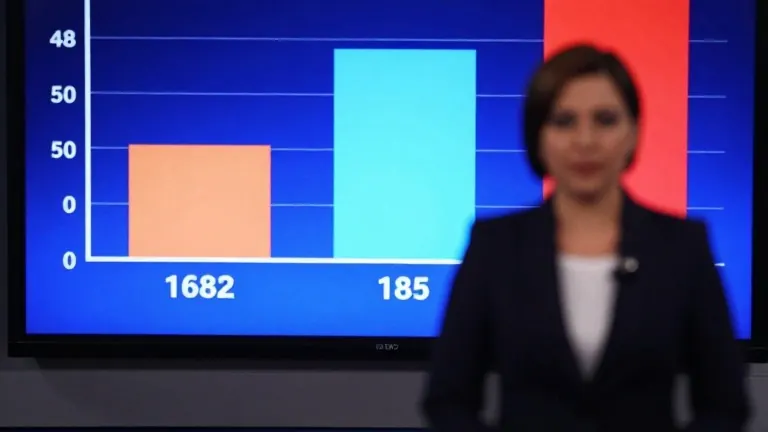
Arab-led parties won 19 seats in the Israeli Knesset on Tuesday, a historic increase that complicates the path to a stable government. Prime Minister Benjamin Netanyahu’s bloc secured 53 seats, while the main opposition won 48. The 120-seat parliament requires 61 votes for a majority, meaning no single camp can govern alone without a coalition partner.
President Isaac Herzog will task a candidate with forming a government after the results are certified next Wednesday. The choice may fall to Netanyahu, the leader of the largest party, or to Gadi Eisenkot, who leads the opposition. If negotiations fail, Israel faces another election early next year. Herzog said this week he would use all his power to prevent a repeat vote.
The political landscape is strained by accusations of foreign interference. In the hours before the final results, Netanyahu and his Likud party claimed Arab-led parties had stolen the election, potentially with help from Qatar. The head of the election committee, Supreme Court Justice Noam Sohlberg, stated that serious suspicions were raised but could not be verified. He asked the Shin Bet security agency to investigate based on classified intelligence.
Qatar denied the claims, calling them ridiculous and dangerous. Dean Livne, the acting director general of the election commission, said the investigation does not affect the final results. He noted that the probe does not concern any particular sector of the population. The committee stated in a letter that allegations of systematic violations are baseless and expects findings from the Shin Bet within a week.
Netanyahu posted on X that it is forbidden to form a coalition with Arab parties. He has suggested it would be treasonous for his rival Eisenkot to partner with them. Yair Lapid, a centrist politician, said the truly hard part has begun and asked Israelis for patience. The new Knesset is expected to be sworn in on Nov. 10. If Eisenkot’s bloc joins forces with Arab parties, they could elect a new speaker and control the parliamentary agenda.
This alliance strategy has been used only once before, briefly, in 2021. Hundreds of Israelis have held rallies urging Eisenkot to join the Arab-led parties. The Arab population makes up 20% of the country and turned out in high numbers, driven by opposition to Netanyahu’s far-right allies. National security minister Itamar Ben-Gvir’s party lost seats in the vote. If Netanyahu loses office, he will face yearslong corruption allegations and a likely inquiry into the security failures of the Oct. 7, 2023, attack.
Source: KPRC-TV