
Cognitive Health: Neurologists Urge Routine Brain Checks
Specialists argue that monitoring memory and focus during standard medical visits mirrors the importance of tracking heart health, offering a path to delay dementia.
By Robert Herrera ·
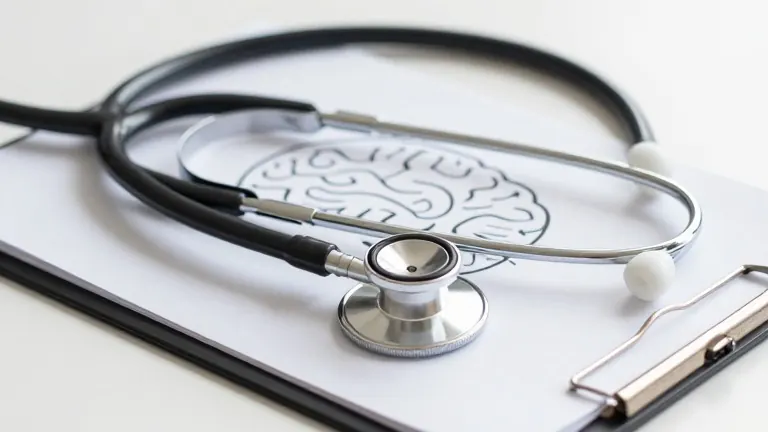
Americans routinely monitor vital signs such as blood pressure and heart rate, yet they rarely assess their cognitive function with the same regularity. Neurologists are now pushing for a shift in standard care that treats the brain with the same diligence as other major organs.
Davide Cappon, director of neuropsychology at Tufts Medical Center, stated that patients should expect to discuss memory and thinking during routine appointments. He noted that while doctors frequently check cholesterol and blood sugar, conversations about cognitive performance remain uncommon. Cappon said these dialogues should become standard practice, particularly for older adults.
The goal of this proactive approach is to identify changes before they become severe. Cappon explained that early recognition of conditions like Alzheimer’s disease allows for better intervention and potential slowing of progression. He advised patients to pay attention to shifts in their daily mental performance and to voice concerns to their providers without hesitation.
Dr. Majid Fotuhi, a neurologist and adjunct professor at Johns Hopkins University, cited a 2024 Lancet Commission report to support this shift. The commission estimated that 45% of global dementia cases could be prevented or delayed by addressing 14 modifiable risk factors. Fotuhi identified five key pillars for brain health: exercise, sleep, diet, stress reduction, and brain training. He compared the brain to a muscle, noting that it responds to treatment at any age.
Cappon emphasized the concept of cognitive reserve, which he defined as the brain’s capacity to cope with aging and disease. Building this reserve involves continuous learning and mental challenge. He recommended that individuals step out of autopilot mode by learning new languages, picking up instruments, or engaging in other activities that push them slightly outside their comfort zones.
Social engagement is also a critical component of cognitive maintenance. Dr. Michael Stanley, a neurologist at Tufts Medical Center, suggested that people approach brain health like they do physical fitness by partnering with friends or family. He recommended taking improv or dance classes together to create a plan for cognitive enrichment. Stanley noted that social connection is linked to longevity, meaning that what benefits the brain often benefits overall health.
Health professionals recommend managing chronic conditions such as high blood pressure and diabetes as part of a broader strategy to reduce cognitive decline. Resources for these habits are available through organizations like the Alzheimer’s Association, which publishes guidance on healthy brain habits. The consensus among these experts is that patients should not wait for symptoms to appear before beginning these protective measures.
Source: HuffPost