Finland and Norway Leaders Discuss Ukraine War with Putin
The call preceded a localized ceasefire in Oleshky and upcoming peace negotiations in Abu Dhabi.
By Sakura McCarthy ·
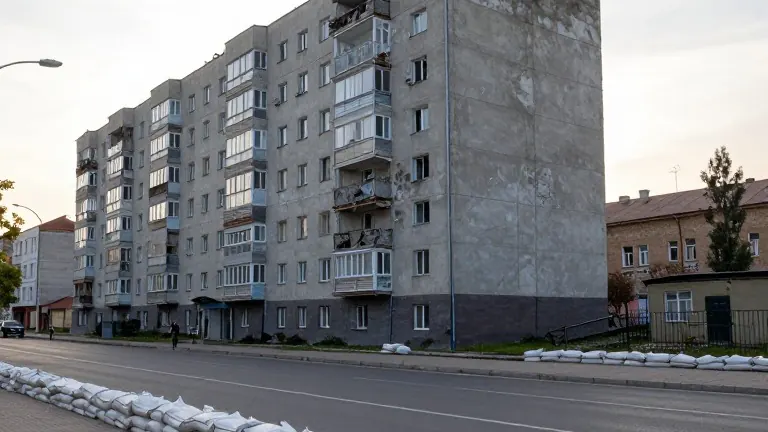
Up to 2,000 people remain stranded in the Russia-occupied city of Oleshky, a number that officials say underscores the urgency of the humanitarian mission currently underway. The local population is cut off by land mines and drone attacks, with food and medical supplies running critically low.
Finnish President Alexander Stubb and Norwegian Prime Minister Jonas Gahr Støre spoke by phone with Russian President Vladimir Putin on Tuesday. Both offices confirmed the conversation, which was held in consultation with Ukraine. The call followed an October 20 meeting in Oslo that included Ukrainian President Volodymyr Zelenskyy and U.S. special envoy Steve Witkoff.
Stubb and Støre stated they spoke on behalf of their respective nations rather than Europe as a whole. They initiated the dialogue to address the ongoing war and prepare for trilateral talks between Russia, Ukraine, and the United States. Those negotiations are expected to take place in Abu Dhabi, United Arab Emirates, in November.
"The discussion was frank and substantive," Stubb said. He noted that Finland and Norway are neighbors to Russia and that the war's outcome would directly affect their security. Stubb added that ending the conflict requires direct discussions.
Støre emphasized the high cost of the war, describing it as carrying enormous human and material burdens. He said the suffering and destruction would impact generations. During the call, the two Nordic leaders stressed the importance of de-escalation.
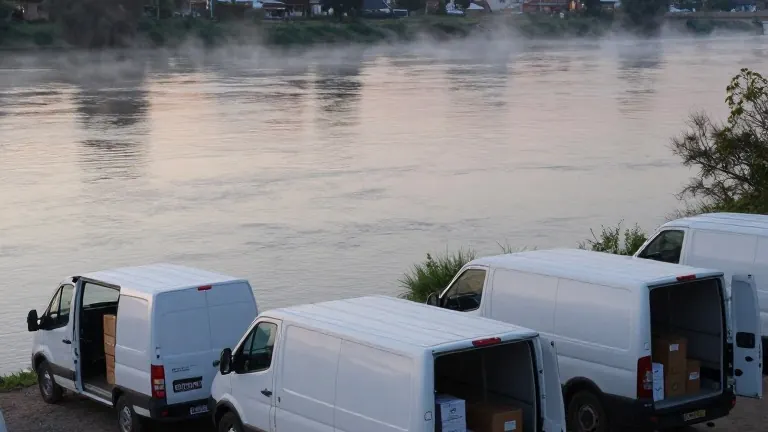
The phone call coincided with the start of a localized ceasefire in Oleshky, which began at 3 a.m. Tuesday. The pause in fighting was arranged to allow a humanitarian aid mission into the city later this week. The truce is scheduled to last through Saturday, though it may be extended if necessary. The geographical scope of the ceasefire was not fully defined, though it centered on Oleshky and nearby areas in the Kherson region.
Russian and Ukrainian negotiators, along with both militaries, confirmed in separate statements that the local truce had begun. Kremlin spokesman Dmitry Peskov said there had been no reports of violations so far. The mission is being brokered by U.S. First Lady Melania Trump, who led talks with civilian negotiators from both sides after receiving briefings from U.N. officials.
Negotiators involved in the operation said doctors, medicines, food, and water would be delivered to Oleshky before evacuation corridors are opened. Pope Leo XIV also spoke with Zelenskyy and Putin earlier this month, urging them to allow aid into the city and facilitate the safe evacuation of civilians. The Kremlin said Putin voiced support for the Vatican's plea at the time.
Despite the local pause, missile attacks continued elsewhere in Ukraine. Minutes after 3 a.m., multiple ballistic missile explosions shook Kyiv. City officials said the late Monday attacks on Kyiv damaged university grounds, killing one person and injuring 10. In Kharkiv, authorities reported that attacks late Monday killed two people and injured four.
Zelenskyy posted online shortly after the attacks, stating that Russia was showing a desire to kill and continue the war. The full-scale invasion nears its five-year mark in February. Yaroslav Shanko, head of the Kherson city administration, described the lull in the Ukrainian-held side of the region as unusual. He said his portable drone detector had gone silent, a state he found frightening given previous unreliable ceasefires.
Source: KSAT-TV