How Chamber Control Reshapes Oversight and 2028 in the South
Voters in Texas, Oklahoma, Louisiana, and Arkansas decide which party sets the agenda for investigations, nominations, and the next presidential cycle.
By Sakura McCarthy ·
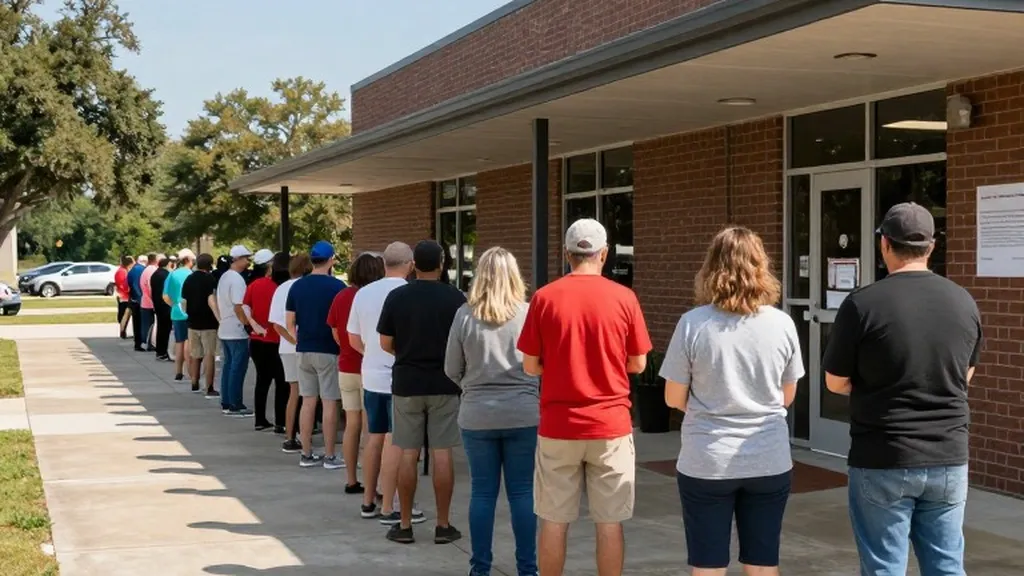
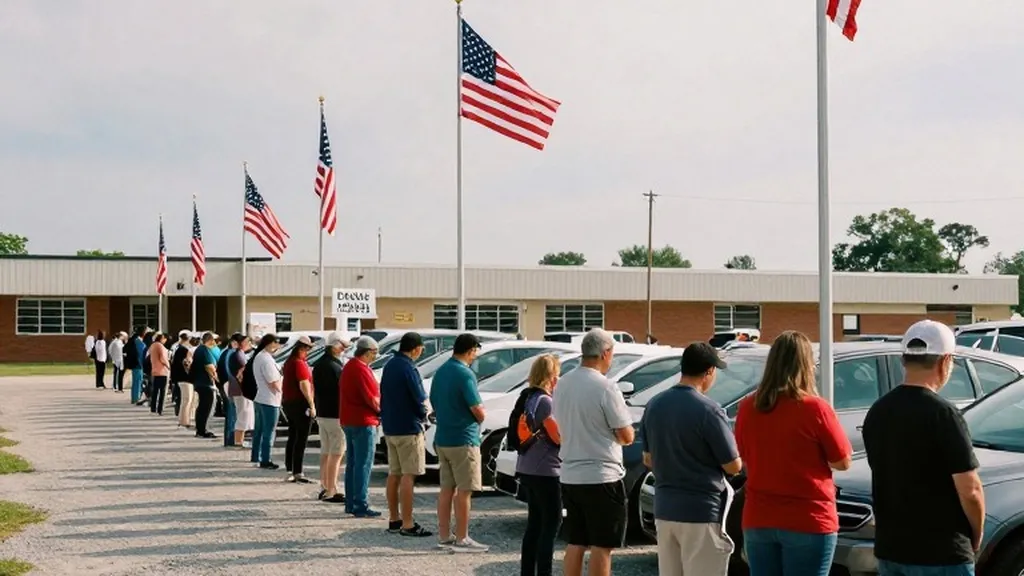
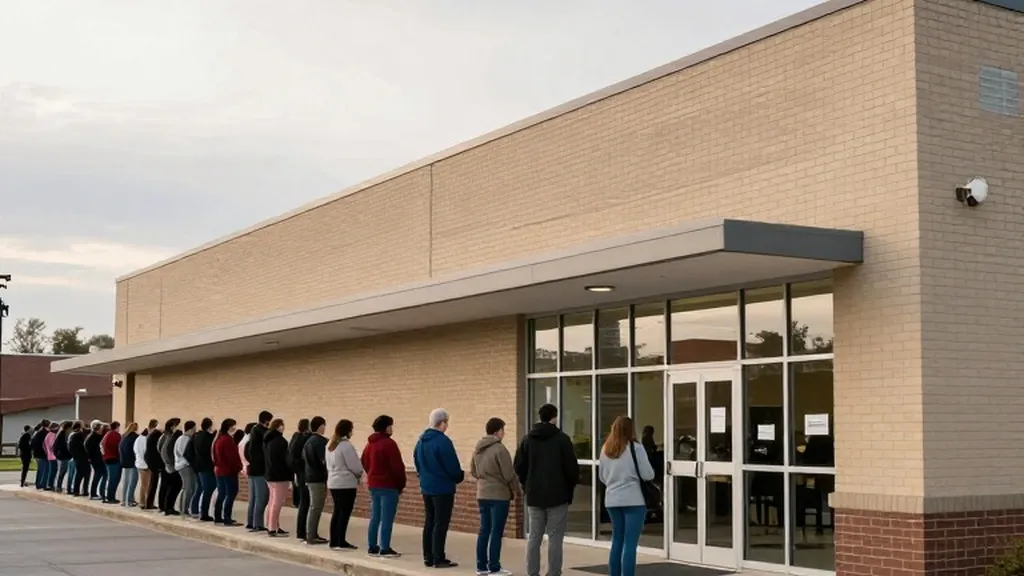
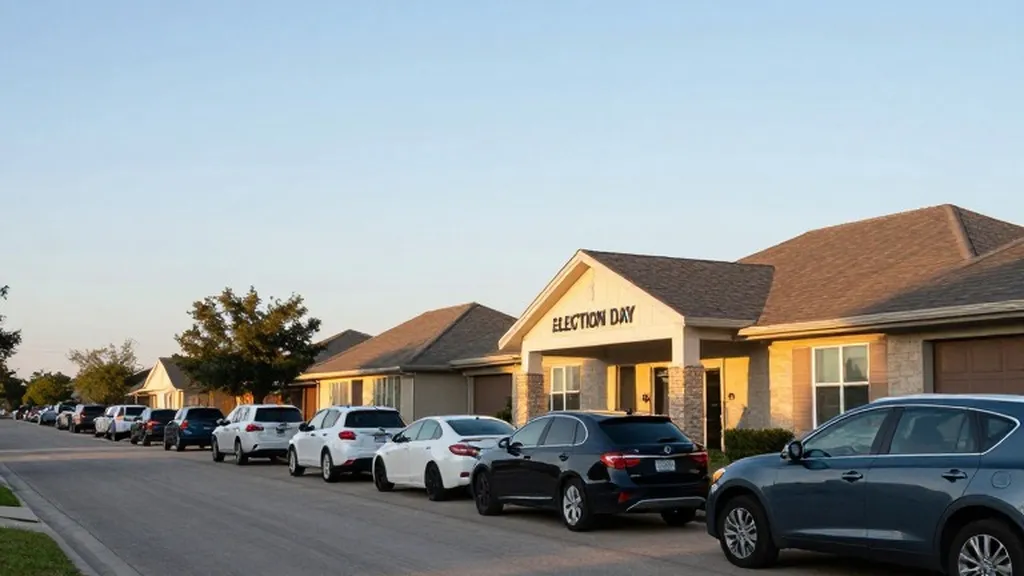
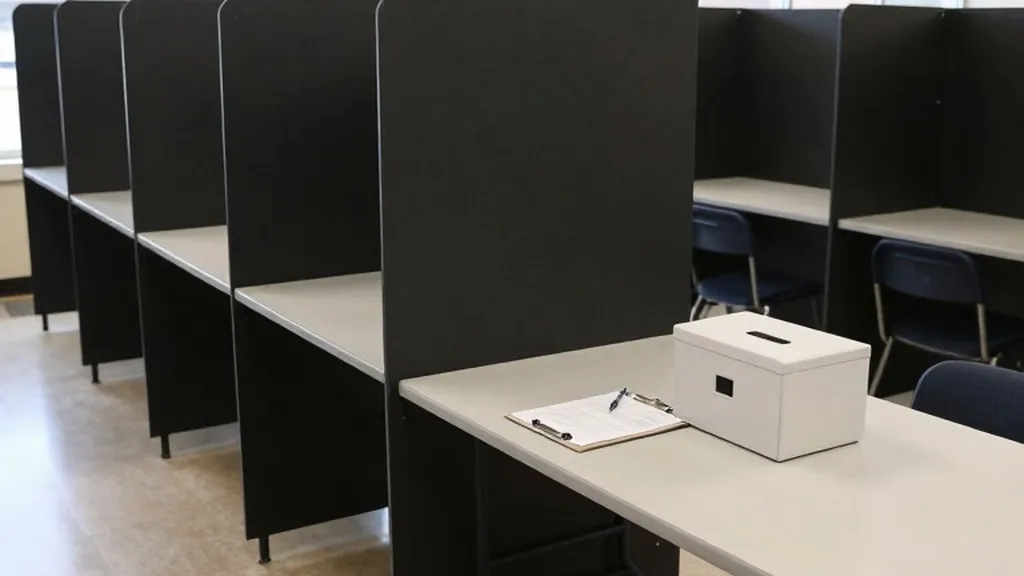
Voters across the South Central region are casting ballots on Tuesday to determine which party controls the U.S. House and Senate for the final two years of President Donald Trump's term. The Associated Press describes this midterm election as a referendum on the president's second term, with many citizens expressing frustration over high prices and an unpopular war with Iran. In Texas, Oklahoma, Louisiana, and Arkansas, the stakes are particularly high because the outcome will dictate the power of investigations and the trajectory of the 2028 presidential race.
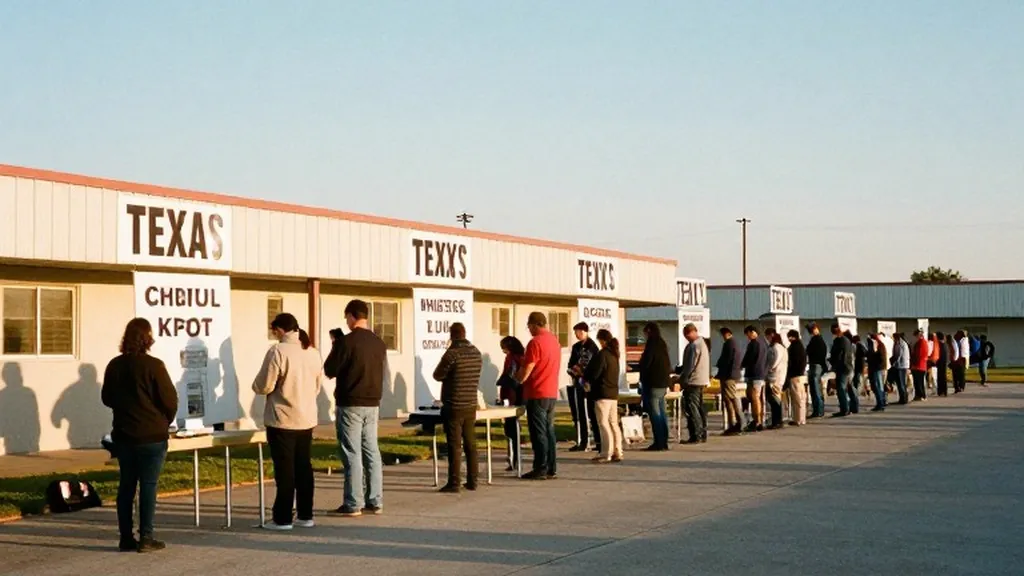
Polls in Texas are open from 7 a.m. to 7 p.m., where voters face a competitive Senate race in an open seat and a governor's race with incumbent Greg Abbott. According to Ballotpedia, the Texas Senate race pits Republican Attorney General Ken Paxton, whom Trump backed in the primary, against Democrat James Talarico. The state's new congressional map, a result of mid-decade redistricting, is a critical factor in the national House count, as the party that controls the chamber will set the pace for oversight of the executive branch.
In Oklahoma, polls are open from 7 a.m. to 7 p.m., with voters deciding an open Senate seat and an open governor's race. The state's political landscape is shifting, and the outcome here will influence the overall balance of power in the Senate. Republicans currently hold a 53 to 45 advantage in the Senate, with two independents caucusing with Democrats. Democrats need a net gain of four seats to achieve a majority, a threshold that requires holding their own in states where they are defending incumbents or winning open seats.
Louisiana voters are casting ballots from 6 a.m. to 8 p.m., deciding an open Senate seat in a state that Trump won by a margin of 13.6 percent in 2024. The Associated Press notes that while the state leans Republican, the competitive nature of the House races in the region could tip the balance of power. In Arkansas, polls are open from 7:30 a.m. to 7:30 p.m., with incumbent Senator Tom Cotton facing a re-election bid and incumbent Governor Sarah Huckabee Sanders seeking another term. The stability of these incumbents will be a key indicator of the party's strength in the region.
If Democrats gain control of the House, House Leader Hakeem Jeffries is expected to implement a 100-day agenda focused on the cost of living and government oversight. He would become the first Black speaker of the House, a historic milestone that aligns with his stated priorities for immediate action. The Associated Press reports that investigations and possible impeachment proceedings become likely if Democrats win even one chamber, a prospect that has Republican leaders bracing for a difficult two years.
Control of the Senate will also determine the pace of judicial and executive nominations. If Republicans maintain their 53-seat majority, they can confirm nominees without the threat of a filibuster, assuming they maintain their current count. However, the Associated Press notes that one or two seats could tip either chamber, making the battleground races in states like Georgia and Michigan crucial. In the South Central region, the outcome of the governor's races in Texas and the open seats in Oklahoma and Louisiana will shape the party's ability to mobilize for the 2028 cycle.
Voters in the region are weighing the impact of the administration's policies on their daily lives. The Associated Press reports that 35 percent of U.S. adults approve of Trump's job performance, while 25 percent approve of his handling of the economy. About seven in 10 say the country is heading in the wrong direction, with most blaming the president for high prices. This sentiment is palpable in the South Central states, where inflation and economic strain are driving voter engagement.
Republican National Committee Chairman Joe Gruters stated that everything depends on turnout, emphasizing that if their voters show up, they will win. Democratic Congressional Campaign Committee Chair Suzan DelBene countered that the American people are angry and want change. These statements reflect the broader strategy of both parties as they fight to beat the historical midterm pattern, where a president's party almost always loses seats. The new congressional maps in Texas and other states may alter the traditional dynamics, but the Associated Press notes that these districts may not vote as they were drawn.
A strong Democratic night would boost potential 2028 candidates such as Gavin Newsom, JB Pritzker, and Pete Buttigieg, while potentially complicating the path for Vice President JD Vance. The Associated Press highlights that Democrats are cautiously optimistic about their chances, while Republicans are focused on holding the Senate. The outcome of the election will also have implications for the 2028 presidential race, as both parties look to build momentum for the next cycle.
As polls close across the South Central region, the focus shifts to the early results and the potential for a close race in the House. The Associated Press reports that more than 57 million people had already voted as of Monday, surpassing the early vote of four years ago in many closely watched states. The final outcome will determine whether the Democrats can launch a full-scale investigation into the executive branch or if the Republicans can maintain their grip on power for the remainder of the term.
The election results will also influence the national conversation on economic policy and foreign affairs. The Associated Press notes that the administration has continued to make claims about voting fraud, including that noncitizens vote in large numbers. A federal judge on Monday temporarily barred the administration from carrying out a plan to prevent noncitizen voting, a move that critics say risks disenfranchising eligible voters. This legal battle adds another layer of complexity to an already contentious election day.