Legal Battles Shape Voting Rules in Key Midterm Elections
Court orders regarding noncitizen voting and ballot handling have altered the administrative landscape for voters in Texas and the South Central states today.
By Robert Herrera ·
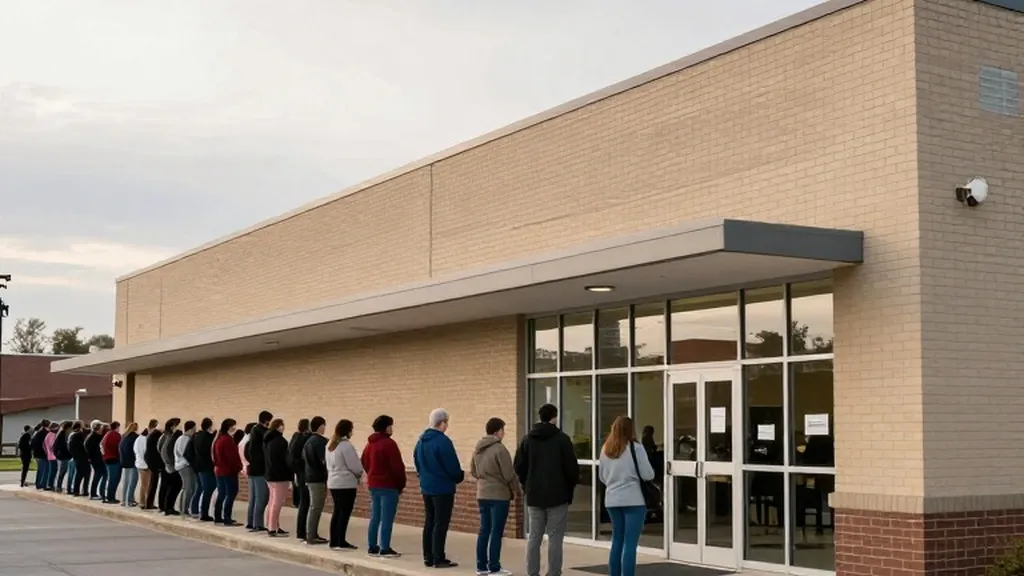
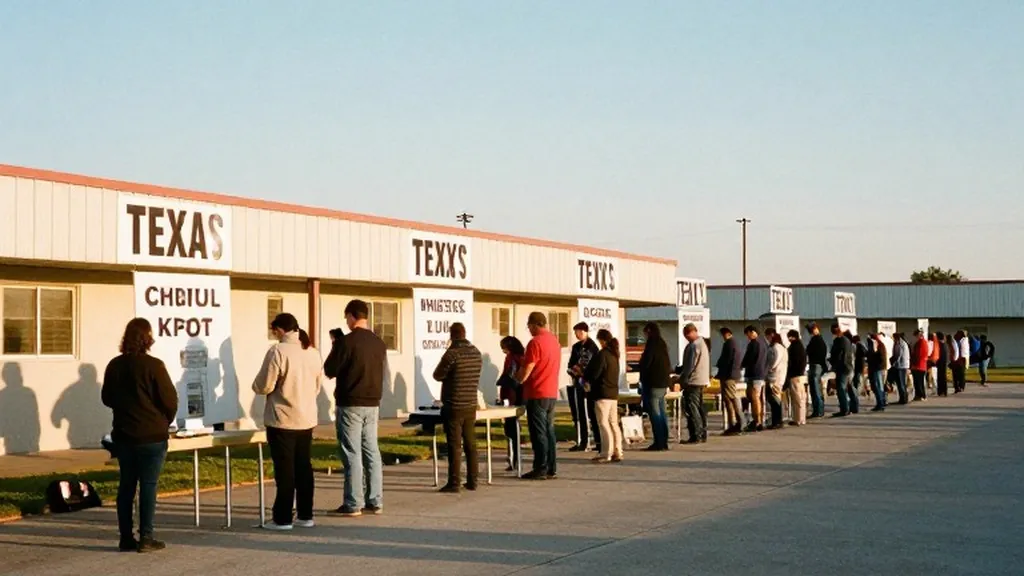
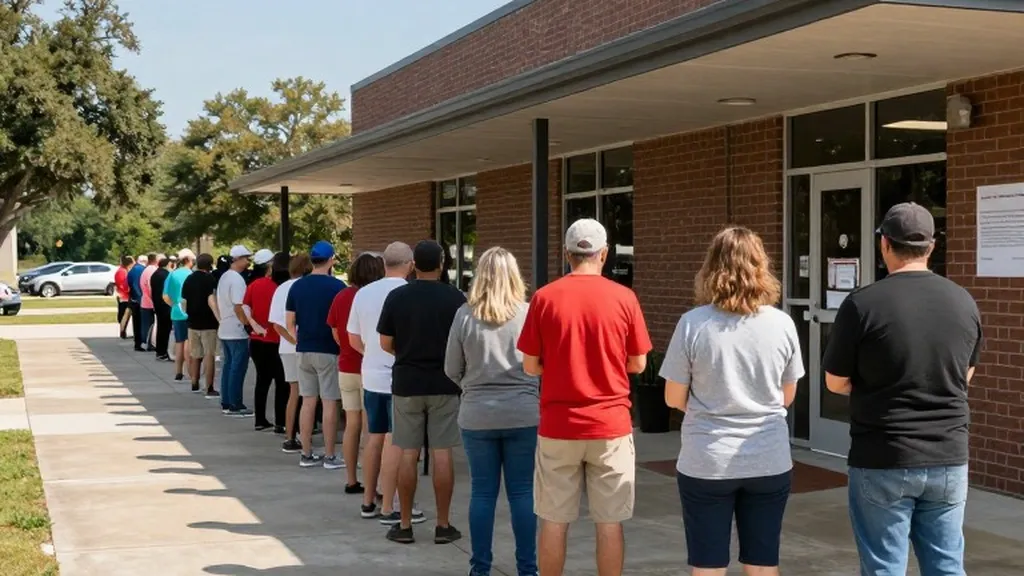
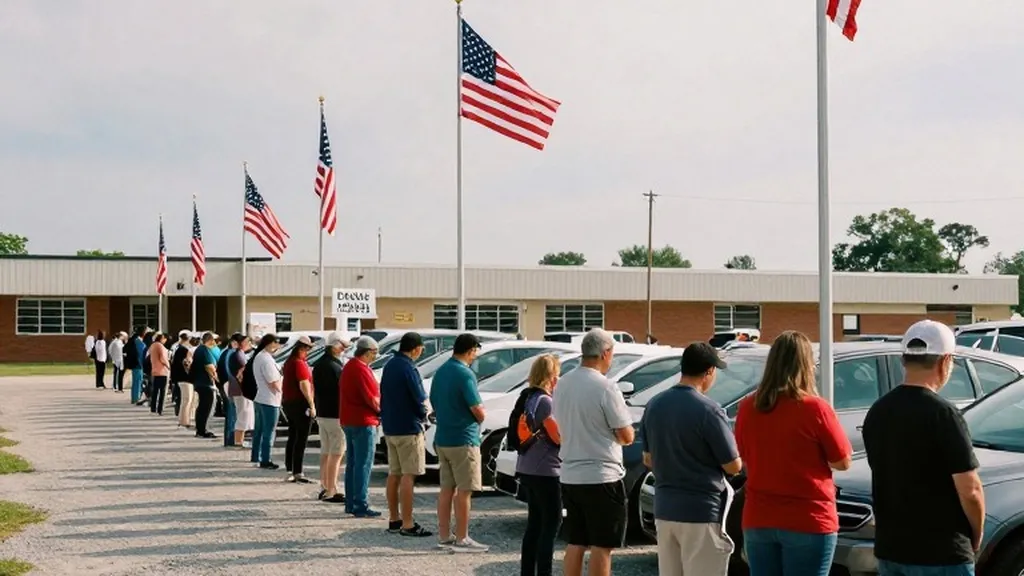
On this Election Day, Tuesday, November 3, 2026, voters across the nation are casting ballots for all 435 U.S. House seats, 35 Senate seats, and 36 governorships. In the South Central region, polls in Texas and Oklahoma open at 7 a.m. and close at 7 p.m. Louisiana polls open at 6 a.m. and close at 8 p.m. Arkansas polls open at 7:30 a.m. and close at 7:30 p.m. These elections occur halfway through President Donald Trump's second term, with the results determining which party controls Congress for his final two years.
A central focus for voters and officials today is a series of legal developments affecting how ballots are processed. On Monday, a federal judge temporarily barred the Trump administration from implementing a plan intended to prevent noncitizen voting. Critics of the administration's approach argue that the risk of disenfranchising eligible voters is significant and that the plan infringes on states' traditional authority over elections. The administration has continued to assert that noncitizens vote in large numbers, a claim that has fueled legal and political debates throughout the campaign.
In California, a judge ordered the administration on Monday to stop demanding that election officials segregate ballots cast by people on its lists of suspected noncitizens. This order impacts a state that is largely voting by mail, with polls open from 7 a.m. to 8 p.m. The ruling adds to a broader pattern of litigation where the Justice Department has threatened to prosecute local election officials, a move that Democrats say creates an atmosphere of interference and intimidation. Republicans argue that these measures are necessary to ensure the integrity of the vote in a historic midterm contest.
The U.S. Postal Service has also taken specific measures to ensure the timely processing of mail ballots. The agency added extra hours, staff, and special lines to handle the volume of incoming votes. These logistical steps are critical in states where mail voting is prevalent, though they also support the overall infrastructure of the election in regions like Texas, where new congressional maps are being used for the first time. The new maps in Texas and five other states reflect mid-decade redistricting efforts that both parties hope will favor their candidates.
In Texas, the Senate race is particularly contentious. Republican Attorney General Ken Paxton, who won the primary with Trump's support over incumbent Sen. John Cornyn, faces Democrat James Talarico. The state voted for Trump by 13.1 points in 2024, but the race remains a key battleground for Senate control. In the governor's race, the AP describes the contest as competitive, with voters deciding who will succeed incumbent Greg Abbott. In Oklahoma, voters face an open seat for governor and an open Senate race, with polls open for twelve hours.
In Louisiana, polls open at 6 a.m. and close at 8 p.m. for Tuesday elections. The state has an open Senate seat, and there is no governor race on the ballot this year. In Arkansas, polls open at 7:30 a.m. and close at 7:30 p.m. Incumbent Sen. Tom Cotton and incumbent Gov. Sarah Huckabee Sanders are both running for reelection. The AP notes that voters in these states are grappling with high prices and are angry over an unpopular war with Iran, issues that dominate the campaign trail.
More than 57 million people had already voted as of Monday, surpassing early vote totals from four years ago in many closely watched states. This high level of early participation suggests that final vote counts may depend heavily on the accuracy and speed of ballot processing. The legal battles over noncitizen lists and ballot segregation have heightened the importance of these administrative procedures. Election officials in the South Central states are working to ensure that the new rules and court orders are implemented smoothly at the local level.
The Associated Press describes the election as a referendum on the president's second term, with polling showing that 35% of U.S. adults approve of Trump's job performance. About seven in ten say the country is heading in the wrong direction. In the South Central region, these national trends intersect with local concerns about the economy and governance. Voters in Texas and the surrounding states are making decisions that will shape the balance of power in Washington and the executive branches of their states.
As polls open, officials in Texas, Oklahoma, Louisiana, and Arkansas are monitoring the initial turnout and the implementation of the new voting rules. The legal landscape remains fluid, with the administration's lawsuits in Alaska and California serving as test cases for broader election administration strategies. The Postal Service's additional resources are expected to alleviate some of the pressure on mail ballot processing, ensuring that votes cast in the final days are counted promptly.
The outcome of these elections will determine whether Democrats can achieve a net gain of three House districts and four Senate seats to take control of both chambers. In the South Central region, the control of the Texas and Oklahoma delegations will be closely watched indicators of the national trend. The new congressional maps in Texas may influence the final outcome, as the districts were drawn with specific partisan goals in mind. Voters are aware that their choices today will have immediate consequences for the direction of the country.
With polls closing at 7 p.m. in Texas and Oklahoma, and at 7:30 p.m. in Arkansas, election officials are preparing for the final tabulation of votes. The legal challenges that have marked this election cycle have placed an unprecedented focus on the technical aspects of voting. As the day progresses, the interplay between court orders, administrative measures, and voter behavior will define the narrative of this historic midterm.