Trump's Midterm Role: Rallies, Distance, and Fraud Claims
With polls open across Texas and the South Central states, candidates navigate a low approval rating and a president urging voters to pretend he is on the ballot.
By Robert Herrera ·
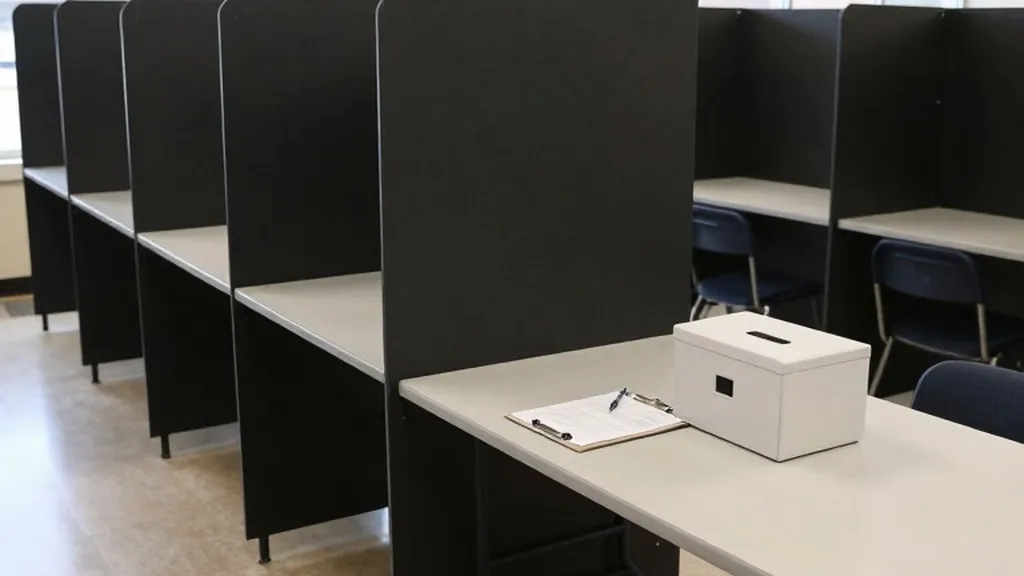
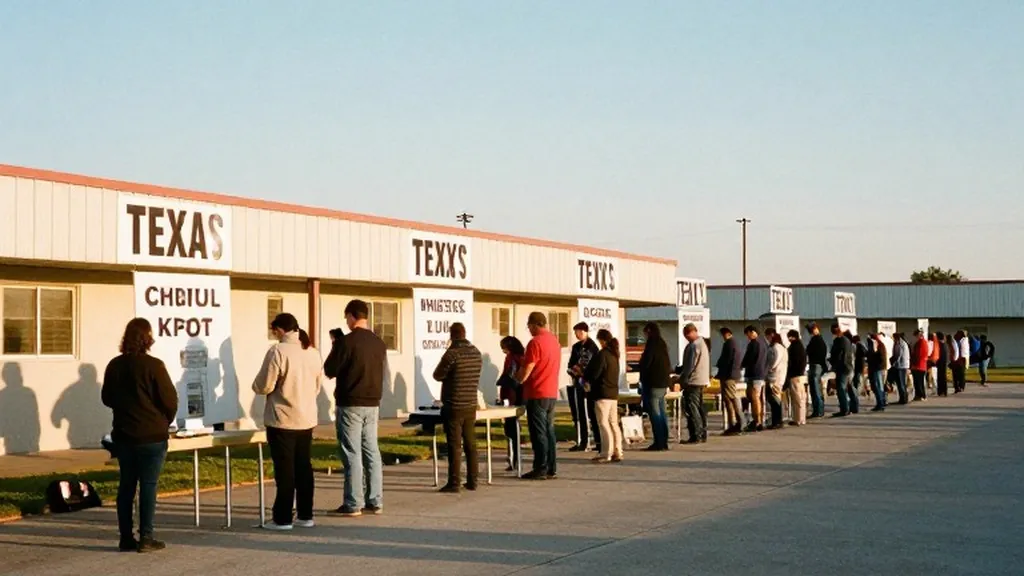
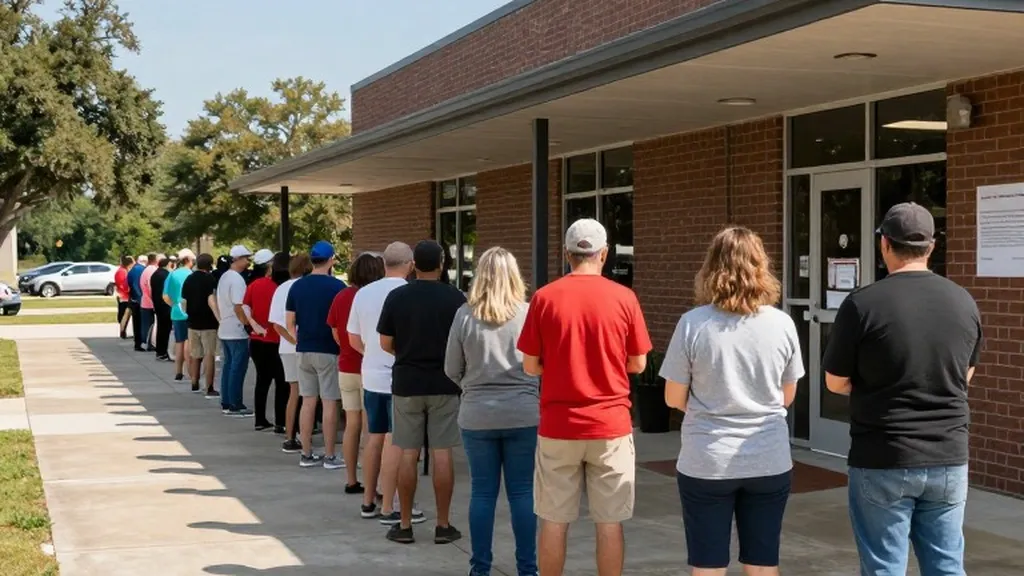
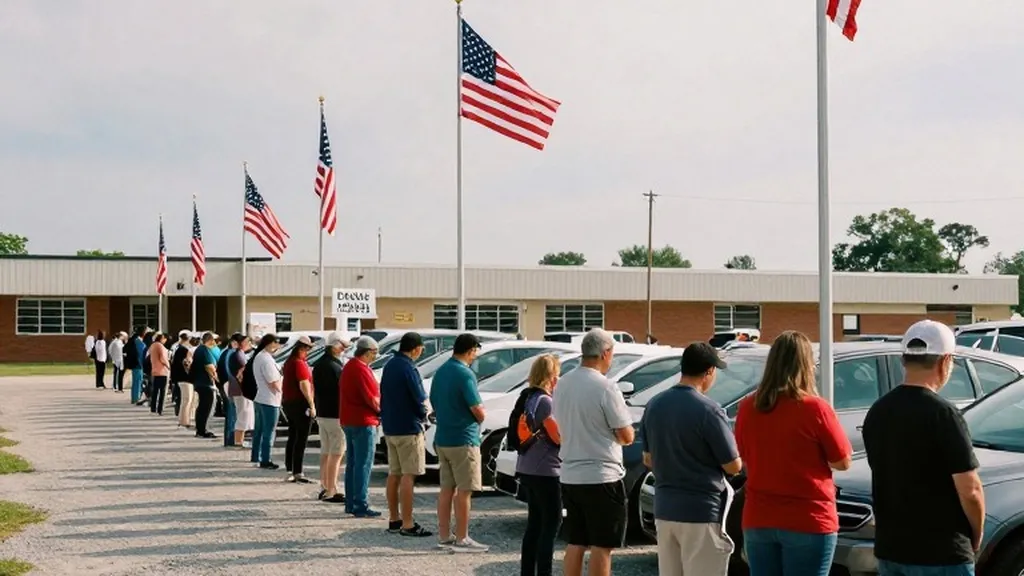
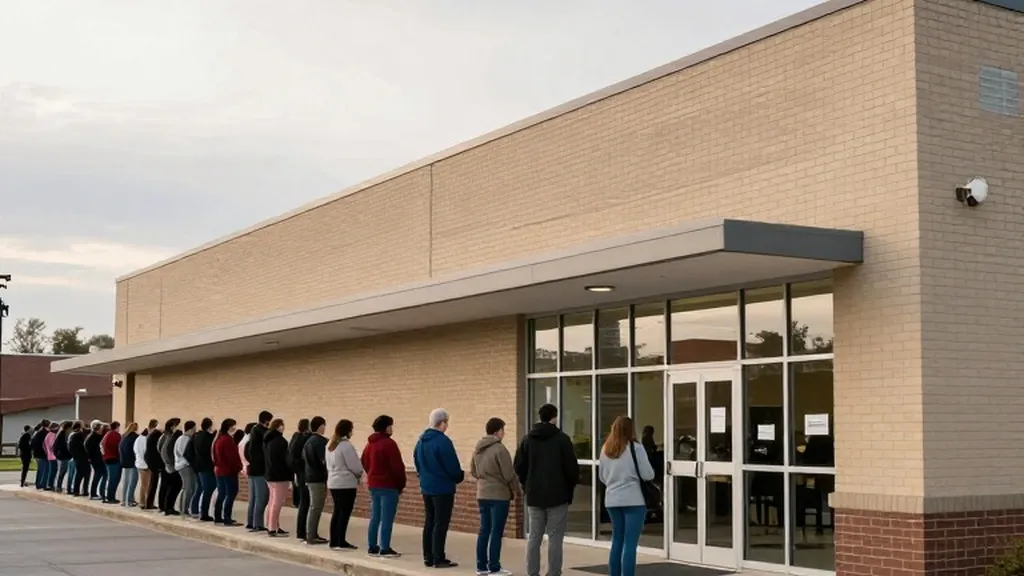
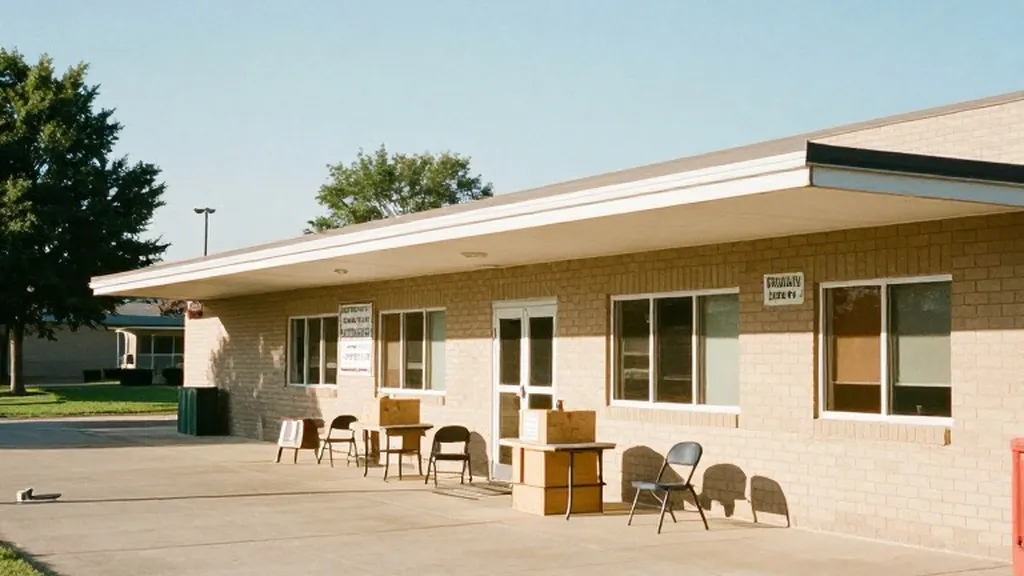
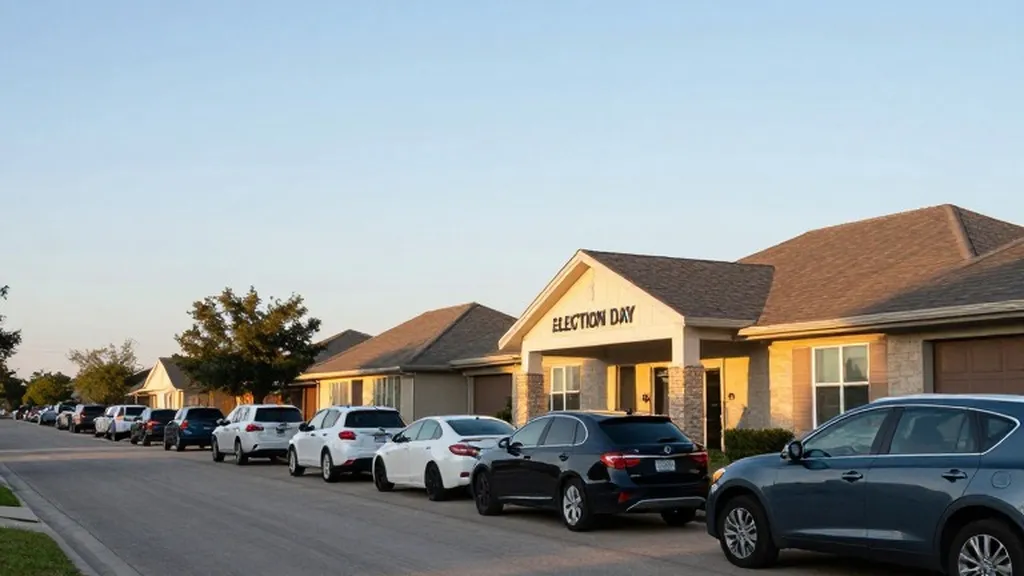
Voters in Texas, Oklahoma, Louisiana, and Arkansas are casting ballots on Election Day, Tuesday, November 3, 2026, in a midterm election that serves as a referendum on President Donald Trump's second term. According to the Associated Press, the atmosphere is defined by a struggle over high prices and anger regarding an unpopular war with Iran. Polls in Texas open at 7 a.m. and close at 7 p.m., while Oklahoma follows the same schedule. Louisiana polls open at 6 a.m. and close at 8 p.m., and Arkansas polls run from 7:30 a.m. to 7:30 p.m. These hours are set by Ballotpedia, and anyone in line when polls close is entitled to vote.
President Trump has maintained a high profile throughout the campaign, holding dozens of rallies that included stops in Mississippi, South Carolina, and Texas. His final rally before the election was held on Sunday in Salina, Kansas, where he urged supporters to imagine his presence in the race. He told the crowd, "I really want you to pretend I'm on the ballot." This strategy highlights the central dynamic of the election, where the president's popularity directly influences the outcomes for his party's candidates, even though he does not appear on the ballot himself.
The president's approval numbers remain a focal point for voters and analysts alike. AP-NORC polling indicates that 35% of U.S. adults approve of Trump's job performance, while only 25% approve of his handling of the economy. Approximately seven in 10 adults say the country is heading in the wrong direction, with most blaming the president for high prices. In the South Central region, these economic concerns are palpable. Voters like James Moore, a 57-year-old librarian in Raleigh, North Carolina, cite rising costs for taxes and healthcare, reflecting a broader sentiment of frustration that is driving turnout in battleground districts.
Despite his active campaigning, many Republican candidates have kept a careful distance from the president during the final stretch. This strategic separation is evident in the Senate race in Texas, where Republican Attorney General Ken Paxton is running against Democrat James Talarico. Trump backed Paxton over incumbent Senator John Cornyn in the primary, a decision that reshaped the field. Candidates in other competitive states, such as Georgia and North Carolina, are also navigating the tension between the president's influence and the need to appeal to moderate voters who may be swayed by the economy.
The issue of voting fraud has also become a significant theme, with Trump continuing to make claims that noncitizens vote in large numbers. His administration filed lawsuits in Alaska and California related to the certification of results and the segregation of ballots. A federal judge temporarily barred the administration from carrying out a plan to prevent noncitizen voting, while another judge ordered the administration to stop demanding that California officials segregate ballots cast by people on lists of suspected noncitizens. These legal battles have led Democrats to fear interference and intimidation, particularly as the Justice Department threatens to prosecute local election officials.
In the South Central states, the Senate races are particularly contentious. In Texas, the open seat left by John Cornyn is a key battleground, with the state having voted for Trump by 13.6 points in 2024. In Louisiana, the open Senate seat is also a critical race, with polls open from 6 a.m. to 8 p.m. In Arkansas, incumbent Senator Tom Cotton is seeking reelection, while in Oklahoma, the seat is open with polls open from 7 a.m. to 7 p.m. The Associated Press notes that one or two seats could tip the control of the Senate, making these races pivotal for the balance of power in Congress.
The governor races in the region also reflect the national mood. In Texas, incumbent Governor Greg Abbott is running for reelection in a race that the AP calls competitive. In Oklahoma, the governor's office is up for grabs in an open seat, adding to the uncertainty of the outcome. The Associated Press describes the election as a critical test for both parties, with Republicans bracing to lose the House and fighting to hold the Senate, while Democrats are cautiously optimistic about their chances.
Money has played a significant role in shaping the campaign, with the 2026 elections likely to be the most expensive in history. Republican committees outraised and outspent Democratic committees, aided by Trump-affiliated groups and Elon Musk. However, at the candidate level, Democrats outraised their opponents. Analysis by the Associated Press of AdImpact data shows that 88.1% of Republican general election TV ad spending went to states and districts Trump won in 2024, including more than $850 million in areas where he won by 10 points or more.
Voter turnout is a decisive factor in this election. RNC Chairman Joe Gruters stated, "Everything depends on turnout. If we turn out our voters, we win, and that's what we've been planning for." In contrast, DCCC Chair Rep. Suzan DelBene said, "The American people are angry. They want change." More than 57 million people had already voted as of Monday, surpassing the early vote of four years ago in many closely watched states. This high level of participation suggests that the final results will be closely contested, with the outcome of the election potentially hinging on the turnout in key districts.
The stakes of this election extend beyond just control of Congress. If Democrats win even one chamber, investigations and possible impeachment proceedings become likely. House Democratic Leader Hakeem Jeffries would be the first Black speaker and has outlined a 100-day agenda focused on the cost of living and oversight. A strong Democratic night could also boost potential 2028 candidates and complicate Vice President JD Vance's path. Republicans have tried to beat the midterm pattern through redistricting, but new districts in Texas and elsewhere may not vote as drawn, adding another layer of complexity to the final count.