South Central Turnout: 57 Million Early Votes Set Stage for Senate Fights
With 57 million early votes cast, parties in Texas, Oklahoma, Louisiana, and Arkansas focus on ground game and voter mobilization.
By Eric Coleman ·
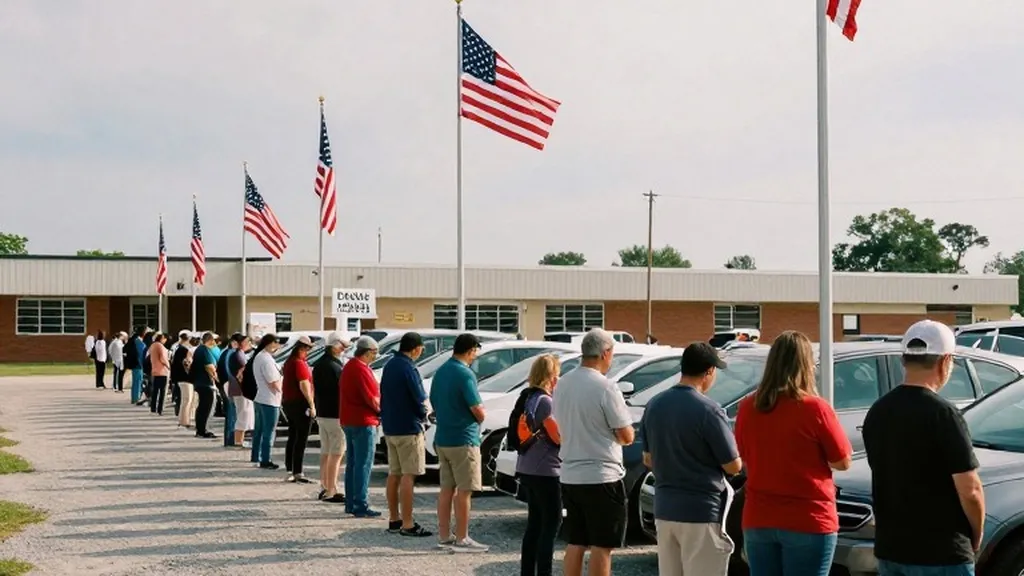
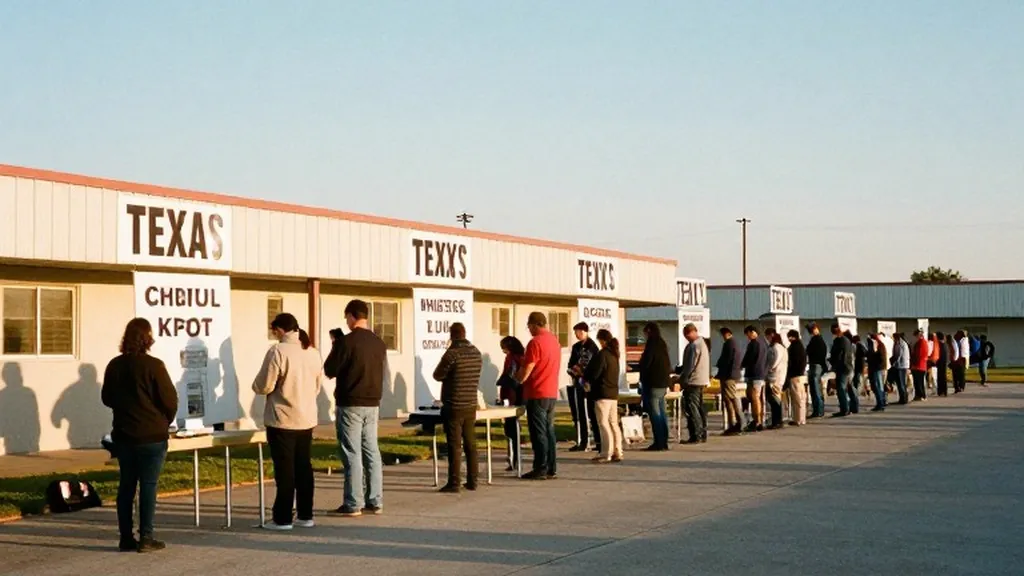
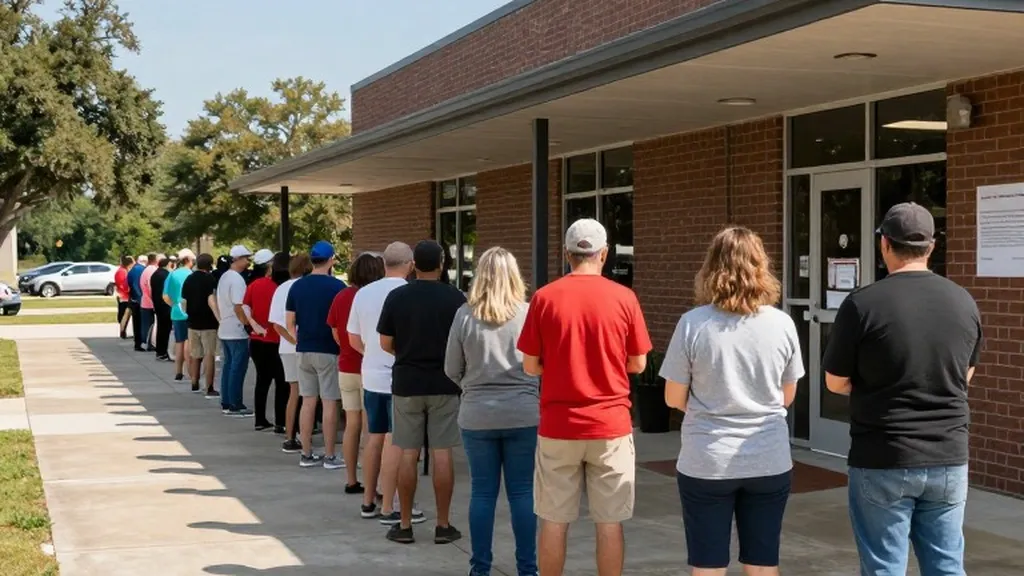
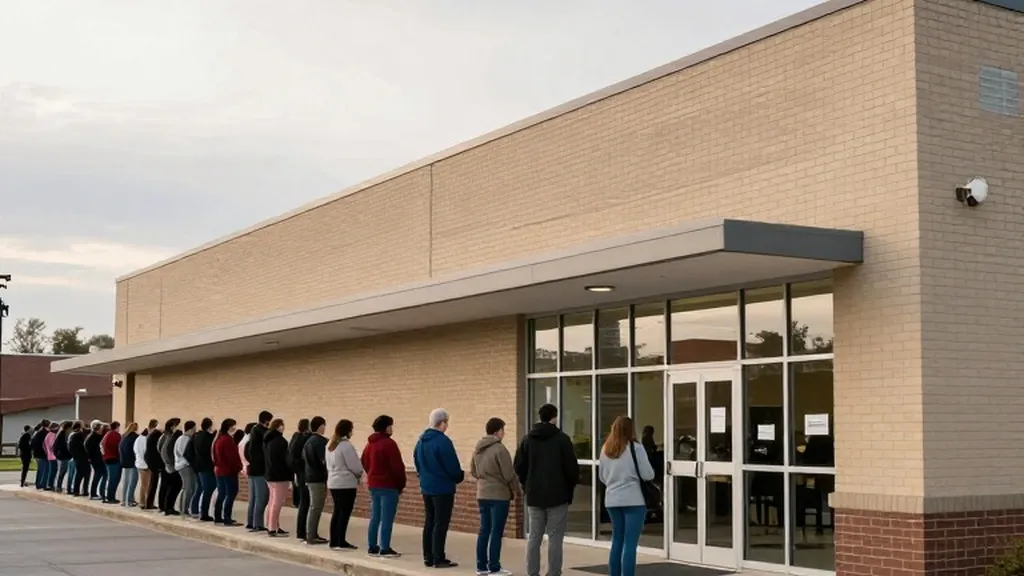
The 2026 midterm election has arrived with a record pace of early voting that has set the stage for intense competition across the South Central United States. According to the Associated Press, more than 57 million Americans had already cast their ballots by Monday evening, a figure that surpasses early vote totals from four years ago in many closely watched states. This surge in early participation has shifted the strategic focus for both political parties from broad national messaging to granular local mobilization efforts. In Texas, Oklahoma, Louisiana, and Arkansas, the outcome of the Senate races and governorships will depend heavily on who shows up at the polls today.
Texas leads the regional focus as the state with the most at stake in the South Central region. The state holds an open Senate seat and a governor's race featuring incumbent Greg Abbott. Ballotpedia notes that polls in Texas are open from 7 a.m. to 7 p.m. The Senate race pits Republican Attorney General Ken Paxton against Democrat James Talarico. The Associated Press reports that President Trump backed Paxton over former Senator John Cornyn during the primary. The ground game in Texas is intense, with both parties deploying significant resources to ensure their base turns out. The state's new congressional maps, resulting from mid-decade redistricting, add another layer of complexity to the district-level races.
In Oklahoma, voters face an open Senate seat and an open governor's race. Ballotpedia confirms that polls in Oklahoma are open from 7 a.m. to 7 p.m. The lack of incumbents in both major races makes the ground game critical for both parties. Campaigns have focused on local issues and voter contact in the days leading up to Election Day. The state is considered a key battleground for Senate control, with both parties viewing the open seat as a must-win target. The open governor's race adds to the stakes, as control of the executive branch in Oklahoma will influence state policy in the president's final two years.
Louisiana presents a different administrative challenge with its unique voting schedule. Ballotpedia indicates that polls are open from 6 a.m. to 8 p.m. for Tuesday elections and from 7 a.m. to 8 p.m. for Saturday elections. The state holds an open Senate seat, and there is no governor's race on the ballot this year. The extended polling hours in Louisiana allow for greater flexibility for voters, which both parties have leveraged in their planning. The open Senate seat is part of the broader national fight for control of the upper chamber, where Democrats need a net gain of four seats to take the majority. Republicans currently hold 53 seats, while Democrats hold 45 plus two independents who caucus with Democrats.
Arkansas completes the South Central quartet with an incumbent Senate race featuring Tom Cotton and a governor's race with incumbent Sarah Huckabee Sanders. Ballotpedia states that polls in Arkansas are open from 7:30 a.m. to 7:30 p.m. The presence of incumbents in both races provides a distinct advantage in terms of name recognition and fundraising. However, the Associated Press notes that voters are struggling with high prices and are angry over an unpopular war with Iran, factors that could challenge incumbents in traditionally Republican states. The ground game in Arkansas has focused on retaining the base while trying to persuade undecided voters who feel the strain of the current economic climate.
National party leaders have emphasized the critical importance of turnout in these states. RNC Chairman Joe Gruters stated, "Everything depends on turnout. If we turn out our voters, we win, and that is what we have been planning for." This sentiment reflects the Republican strategy of ensuring high participation among their base, particularly in states like Texas and Oklahoma where they hold strong advantages. Democrats, meanwhile, are adopting a different approach focused on energizing their supporters and capturing swing voters. DCCC Chair Rep. Suzan DelBene noted, "The American people are angry. They want change." This message resonates with voters in the South Central region who feel the impact of rising costs.
The Associated Press describes the election as a referendum on President Trump's second term, with voters grappling with high prices and an unpopular war with Iran. Polling from AP-NORC shows that 35 percent of U.S. adults approve of Trump's job performance, while only 25 percent approve of his handling of the economy. About 7 in 10 Americans say the country is heading in the wrong direction. These national trends are playing out in the South Central states, where local candidates are tying their campaigns to broader national themes. The ground game in these states has involved door-to-door contact, phone banking, and get-out-the-vote drives designed to maximize turnout on Election Day.
Money has played a significant role in shaping the race, with the 2026 elections likely to be the most expensive in history. The Associated Press reports that Republican committees outraised and outspent Democratic committees, helped by Trump-affiliated groups and Elon Musk. However, at the candidate level, Democrats outraised their opponents. In Texas and other South Central states, this financial disparity is evident in the volume of advertising and the scale of ground operations. Both parties are investing heavily in these states, recognizing that the outcome of the Senate races will determine which party controls the chamber for the next two years. The new congressional maps in Texas also influence where resources are allocated, with campaigns targeting districts that may have shifted in recent elections.