Japan Creates National Disaster Management Agency to Tackle Megaquake Risks
The new body, headed by Prime Minister Sanae Takaichi, will oversee response efforts and push municipalities to improve preparedness for potential catastrophic events.
By Robert Herrera ·
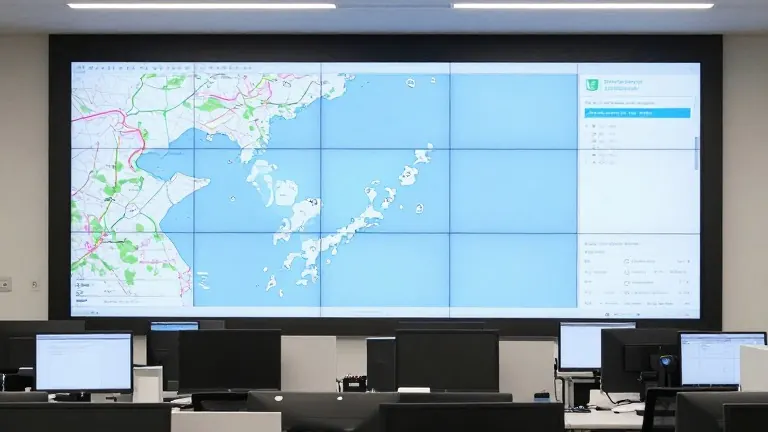
Japan established a new national agency on Monday to centralize its response to natural disasters, aiming to close preparation gaps that have persisted since the 2011 Tōhoku earthquake and tsunami. The National Disaster Management Agency will coordinate preparedness, emergency response, and reconstruction, addressing concerns that the country lacks a unified command structure for catastrophic events.
The agency will employ more than 350 staff members to manage operations. It is not being formed in response to a single imminent threat but rather to address long-standing structural weaknesses. Officials cited the 2011 disaster, which killed nearly 20,000 people, and the subsequent Fukushima nuclear crisis as benchmarks for the level of preparedness required now.
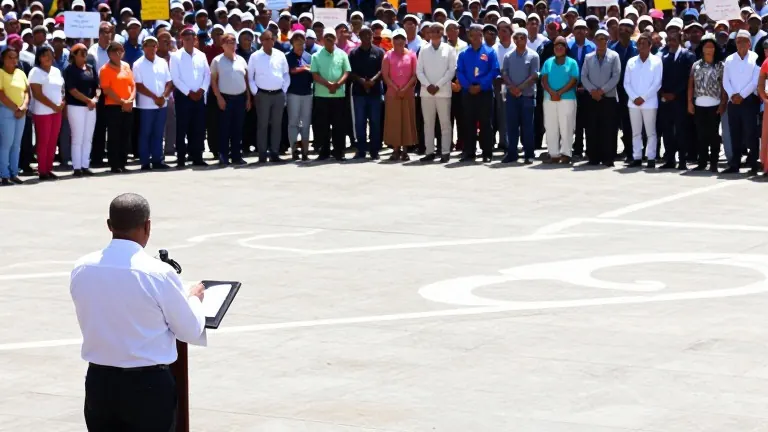
Reconstruction Minister Goshi Hosono, who previously oversaw the Fukushima nuclear crisis response, will manage the agency under Prime Minister Sanae Takaichi. Hosono stated that the body will serve as the command center for disaster response, with the goal of becoming the world's most prepared nation. He emphasized the need to protect lives and property through strengthened systems.
On the day of the launch, Hosono issued emergency requests to local governments and citizens. He urged residents to verify the seismic resistance of their homes, anchor heavy furniture, review evacuation routes, and stockpile water and portable toilets for at least three days. He called for individuals to take personal action rather than relying solely on government directives.
Statistics presented by the minister indicate that less than half of municipal officials have received disaster management training in the past five years. Only 15% of municipalities have specific evacuation plans for elderly or disabled residents who require assistance. Previously, Japan relied on temporary task forces composed of officials from various ministries, lacking a permanent cross-departmental command center.
Government assessments highlight the scale of potential future risks. A megaquake along the Nankai Trough could result in an estimated 298,000 deaths, 6.5 million evacuees, and the loss of 2.35 million homes. A major quake in the Tokyo metropolitan area is projected to cause 18,000 deaths and displace 4.1 million people. An eruption of Mount Fuji could impact 790,000 people and disrupt critical infrastructure.
The new agency also targets improvements in evacuation center conditions, which have long drawn criticism for being poorly equipped. The plan includes installing clean portable toilets, kitchens capable of serving hot food, hot bath facilities, and cardboard beds. These measures aim to replace the current reliance on gymnasiums and classrooms, environments where harsh conditions have previously contributed to health issues and deaths during long-term evacuations.
The July earthquake in Kumamoto prefecture, which measured 7.1 on the Richter scale, killed 38 people and damaged more than 69,000 homes. Many residents in shelters lacked air conditioning during high heat, leading some to stay in vehicles or parking lots. The new agency seeks to prevent such outcomes by standardizing equipment and support across all temporary shelters.
Source: Houston Chronicle