Strait of Hormuz: U.S. Launches Defensive Strikes on Iranian Targets
American forces hit surface-to-air missile sites on Qeshm Island ahead of midterm elections, while diplomacy continues between Washington and Tehran.
By Robert Herrera ·
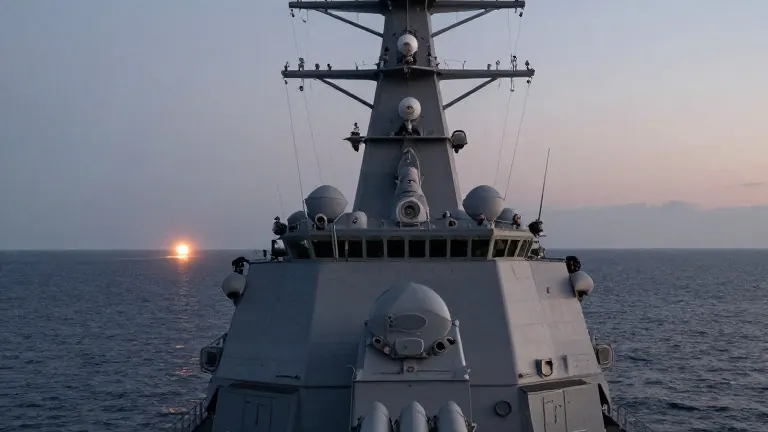
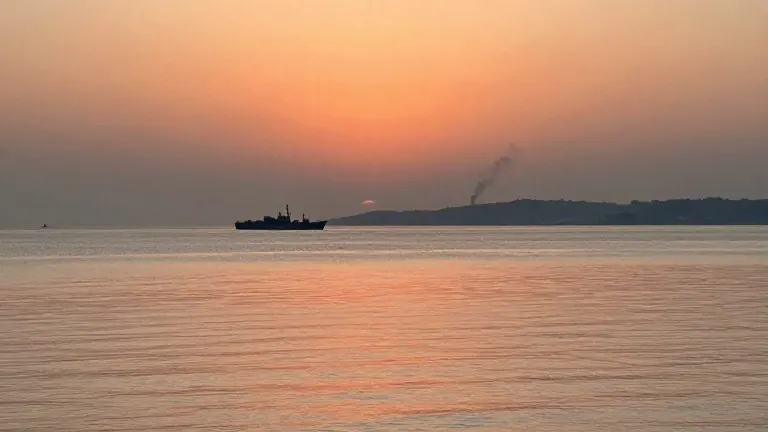
The United States conducted defensive strikes against Iranian targets in the Strait of Hormuz on Monday, according to a U.S. official. The action took place on the eve of the nation's midterm elections, a day when political leaders are watching market reactions closely. The strikes targeted Iranian surface-to-air missiles that had been aimed at U.S. assets. This marks the first confirmed American attack since early September, breaking a period of relative quiet in the air space.
The conflict has already cost U.S. taxpayers at least $47 billion. Thousands of American troops remain deployed in waters off Iran to enforce a naval blockade. This blockade prevents tankers carrying Iranian oil from reaching global markets. A third aircraft carrier and thousands of additional personnel are currently en route to the Middle East. The buildup in military assets signals that the U.S. is preparing for potential further engagement despite recent diplomatic overtures.
President Donald Trump previously stated the U.S. would not launch new strikes before the midterms. The war and its effect on gasoline prices have become a political liability for Republicans seeking to maintain control of Congress. Israeli Prime Minister Benjamin Netanyahu pushed for another wave of strikes during a weekend call with Trump. Netanyahu is seeking to form an emergency government after his coalition lost its parliamentary majority in last week's elections. Trump has not yet committed to a full-scale military campaign.
Vice President JD Vance expressed optimism about a potential deal in a letter to Iranian security chief Mohsen Rezaei. Vance told reporters that he and the president felt good about the prospects for a negotiated settlement. Rezaei described the shift in U.S. tone as a very good sign on state television. He did not confirm a response to the letter. Qatari mediators held two rounds of talks with Iranian officials last week. They are working on a framework for Iran to cease attacks in the strait in exchange for the U.S. lifting its port blockade.
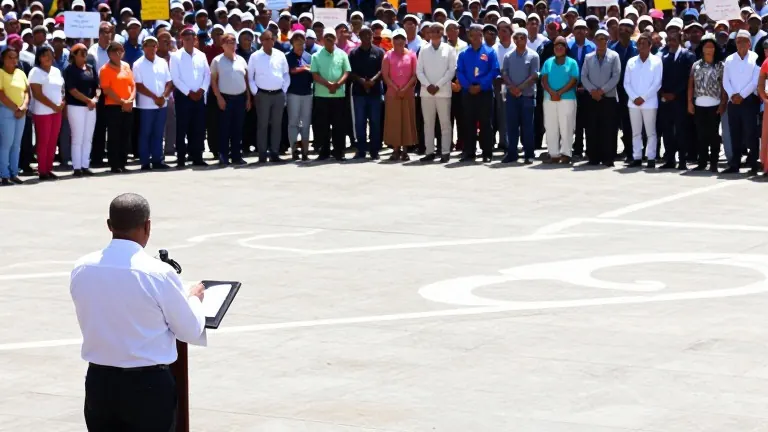
Oil prices dropped sharply on Monday as traders reacted to signs of diplomatic progress. Trump noted the decline during a speech in Washington, where he minimized the scale of the conflict. He told reporters he was unsure if the situation should be called a war because fighting had been dormant for months. However, Iranian strikes on more than two dozen U.S. bases have caused billions of dollars in equipment damage. The new Iranian supreme leader, Ayatollah Mojtaba Khamenei, met with military chiefs to discuss immediate responses to threats without geographic limits.
Regional allies are divided on the next steps. Some Middle East partners warn that more strikes could destabilize the area. They fear that Houthi rebels in Yemen and Iran-backed militias in Iraq could expand their attacks. Saudi Defense Minister Prince Khalid bin Salman spoke with U.S. Secretary of Defense Pete Hegseth on Monday about these developments. The Houthis continue to target Saudi Arabia and Red Sea shipping. China announced it will send a special envoy to Iran, Oman, and Saudi Arabia in early November.
The Manama Dialogue security summit in Bahrain reflected a grim mood among attendees. United Arab Emirates adviser Anwar Gargash warned that if U.S. and Iranian positions are not bridged, the region must worry about the worst. Egypt's Foreign Minister Badr Abdelatty said the next escalation would be destructive and lead nowhere. Gulf nations have spent billions on defense since the war began. More diplomatic talks are scheduled for this week as both sides weigh the risks of conflict against the benefits of a ceasefire.
Source: HuffPost