NASA Restructures Lunar Architecture to Accelerate 2028 Moon Landing
By shifting docking operations to high-Earth orbit and eliminating complex refueling steps, the space agency aims to resolve technical bottlenecks for SpaceX and Blue Origin.
By Sakura McCarthy ·
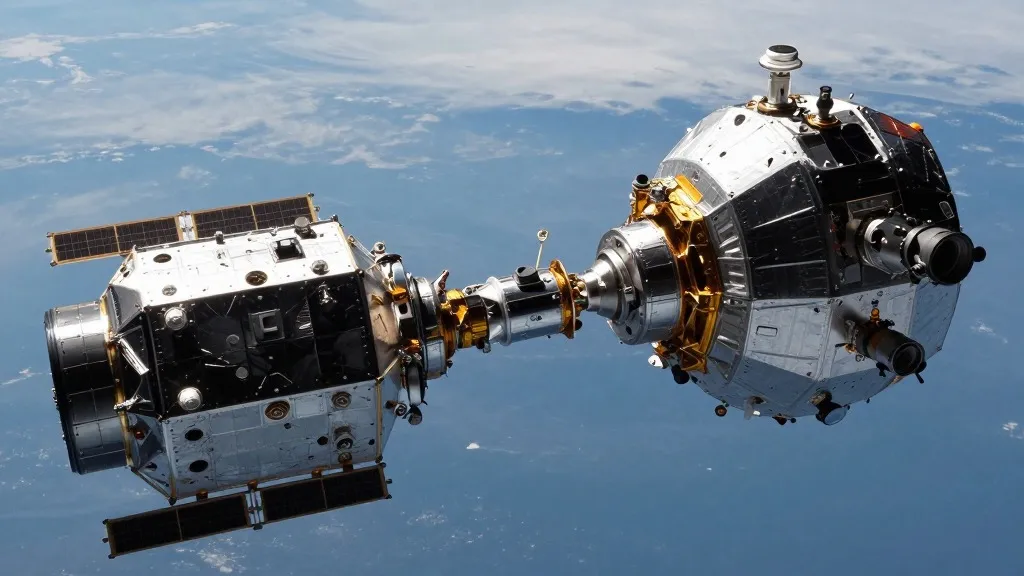
The path back to the lunar surface has long been hindered by complex orbital mechanics and engineering uncertainties that threatened to delay crewed missions. On Friday, NASA resolved a significant portion of this tension by unveiling a revised mission architecture that fundamentally alters how astronauts will travel to and land on the Moon. This strategic pivot, detailed during a lengthy news conference, marks the first time the agency has publicly laid out these specific changes, signaling a move toward a more streamlined approach for its Artemis Program.
The core of the conflict lay in the differing requirements of the two private partners contracted to build lunar landers: SpaceX and Blue Origin. Previous plans relied on intricate maneuvers in the vicinity of the Moon, creating energy constraints and technical hurdles that complicated the timeline. By redefining where these vehicles meet the Orion capsule, NASA aims to de-risk the missions and align the development schedules of both companies, potentially allowing for crewed landings as early as 2028.
The most substantial change involves SpaceX’s Starship vehicle. Under the new guidelines, the Orion spacecraft will dock with the Starship lunar lander while still in high-Earth orbit. This decision eliminates the need for the vehicles to meet in a near-rectilinear halo orbit around the Moon, a requirement that engineers had identified as particularly energy-intensive and difficult to execute. This adjustment was a primary request from SpaceX teams during early 2026 discussions, and the cancellation of the Lunar Gateway project earlier this year effectively cleared the way for this simpler, more direct transit route.
For Blue Origin, the revised architecture presents a different set of operational parameters. The agency’s plan for the company’s New Glenn rocket now specifies four distinct launches, removing the requirement for spacecraft-to-spacecraft refueling in space. This simplification reduces the complexity of the mission chain. Furthermore, the blueprint allows for the possibility of Blue Origin’s Blue Moon lander rendezvousing with the Orion capsule in low-Lunar orbit, providing flexibility in how the final approach to the surface is managed.
Despite these architectural shifts, the high-level schedule remains largely intact. NASA officials stated that they continue to anticipate launching the Artemis III mission by the summer of 2027. This demonstration phase will focus on docking procedures with both the Blue Moon and Starship vehicles near Earth, serving as a critical test of the new integration protocols. Following this, the agency is tracking a 2028 launch date for Artemis IV, which would mark the first actual landing of astronauts on the lunar surface under the new framework.
NASA Administrator Jared Isaacman expressed confidence in the revised timeline, emphasizing that the agency is committed to executing its current plan. “This is an achievable path we are on right now,” Isaacman said. He noted that the agency possesses the necessary mandate, resources, and stakeholder support to move forward, stating, “We have the mandate, we have the resources, and the support from our stakeholders to be able to execute, and that’s what we intend to do.”
The decision to overhaul these elements reflects a broader effort by NASA leadership to scrutinize every aspect of the Artemis Program. By addressing specific pain points for the lander developers, the agency hopes to accelerate execution and mitigate risks that could otherwise derail the schedule. The shift from lunar orbital docking to high-Earth orbit docking for SpaceX, and the removal of refueling steps for Blue Origin, represents a pragmatic response to the engineering realities faced by the private partners.
While the new architecture addresses known technical difficulties, the question remains whether the agency can hold to the aggressive dates outlined. The success of the 2027 demonstration mission will be a key indicator of whether the revised plans are robust enough to support the 2028 landing. For now, NASA has provided a clearer, albeit still challenging, roadmap for returning humans to the Moon, betting that simplified operations will lead to faster and more reliable outcomes.
Source: Ars Technica · original report published