Tesla's FSD Metrics: How 1.74 Million Subscribers Are Counted
Tesla reports a surge in Full Self-Driving users, but the figure includes upfront purchases, a method aligned with Elon Musk's compensation targets.
By Eric Coleman ·
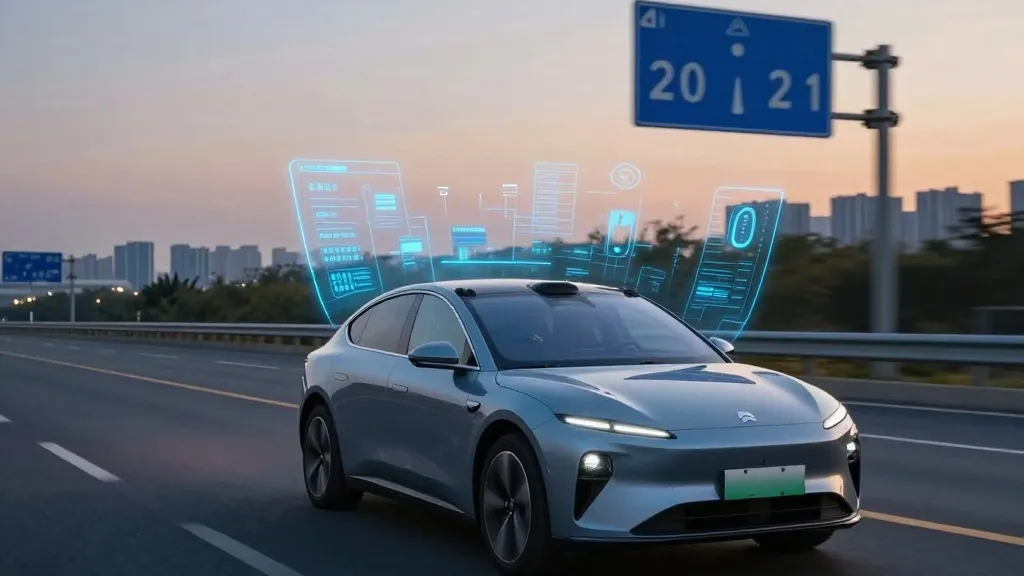
Tesla has reported that its Full Self-Driving (FSD) software now has 1.74 million active subscriptions, a 67% increase from the previous year. This figure was detailed in the company’s Q3 2026 shareholder letter, which clarifies that the count includes both owners who paid for the feature upfront and those on a monthly plan. This specific definition is significant because it mirrors the criteria established in Elon Musk’s 2025 CEO performance award, where reaching 10 million active FSD subscriptions is a key milestone for his compensation package.
The primary takeaway is that the company’s headline software metric is driven by a definition tailored to executive pay goals rather than a strict measure of recurring revenue. By including customers who purchased FSD years ago at prices up to $15,000, Tesla inflates the active user base. While these vehicles do have the software installed, the term 'subscription' can be misleading to investors who may assume all 1.74 million users are paying a monthly fee. This accounting method allows Tesla to claim substantial growth in a sector where it has yet to deliver the fully unsupervised self-driving experience originally promised to many early buyers.
Tesla ceased selling FSD as a one-time purchase on February 14, 2026, shifting new customers to a $99 monthly subscription model in the United States. However, the pre-February 2026 cohort remains in the active count as long as their vehicles are operational. The only exclusion from this metric is free trials. Despite reporting this higher number six months after previously citing 1.28 million active users, Tesla has not disclosed how many of the 1.74 million are actually paying monthly versus those who bought the software outright. This lack of transparency makes it difficult for stakeholders to gauge the true strength of the subscription business model.
The company’s reporting extends this alignment with compensation targets to its vehicle delivery figures. The shareholder letter states that cumulative deliveries have reached 10.2 million, a number that includes any unsupervised Robotaxis placed into commercial operation. This specific inclusion is designed to match the 20 million vehicle milestone required for Musk’s pay package. By counting these commercial units in the same bucket as consumer deliveries, Tesla presents a unified growth narrative that supports multiple targets within the 2025 award structure, which consists of 12 tranches tied to both market cap and operational achievements.
Another significant claim in the letter is that more than 75% of new North American deliveries in Q3 included FSD subscriptions. Tesla describes this as a nearly 20 percentage point sequential increase and suggests that FSD availability is driving demand in those markets. However, the letter does not define how this attach rate is calculated. It is unclear whether this figure includes introductory offers or if it tracks long-term retention. Unlike the active subscription metric, which explicitly excludes free trials, the attach rate’s methodology regarding trial periods or short-term commitments remains undefined, leaving room for interpretation on the sustainability of this high adoption rate.
The path to the 10 million FSD subscription milestone remains lengthy under current trajectories. In Q3, Tesla added 260,000 net FSD subscriptions, its best quarterly performance to date. If this pace continues, it would take approximately eight years to reach the 10 million goal. However, if the company reverts to the average growth rate of the past 12 months, which is roughly 700,000 per year, the timeline extends to about 12 years. The compensation award is valid until 2035, meaning there is ample time for these targets to be met, but the current run rate suggests the milestone is a long-term project rather than an imminent achievement.
Contextually, the 2025 CEO Performance Award requires meeting specific operational hurdles, including 20 million vehicles delivered, 10 million FSD subscriptions, 1 million Optimus robots, and 1 million robotaxis in commercial operation. As of June 30, Tesla considered only the 20 million delivery milestone to be probable. The other targets, particularly the FSD and robotaxi counts, remain distant. The board has structured these metrics to incentivize long-term growth, but the reliance on inclusive definitions for reporting purposes raises questions about the precision of the data presented to shareholders.
Looking ahead, the key question for investors is the retention rate behind the 75% attach figure. If a significant portion of these North American buyers continue to pay the $99 monthly fee, the FSD business becomes a substantial revenue stream. Conversely, if many are on temporary offers or have stopped paying, the metric overstates the business's health. Tesla knows the exact number of monthly payers, but until that data is disclosed, the 1.74 million figure serves primarily as a validation of the compensation framework rather than a clear indicator of recurring software revenue.
The company’s approach highlights a tension between marketing momentum and financial precision. By counting upfront buyers as subscribers, Tesla can highlight rapid growth in its software ecosystem. This strategy supports the narrative that FSD is a core driver of vehicle sales. However, for investors in Texas and the broader South Central region who are evaluating Tesla’s financial stability, understanding the distinction between one-time purchasers and recurring subscribers is crucial. The upcoming quarters will likely see continued focus on whether the subscription model can sustain growth without relying on the legacy of upfront sales.
In summary, Tesla’s Q3 2026 report presents strong growth numbers that align closely with executive compensation goals. The 1.74 million FSD users and 10.2 million cumulative deliveries are impressive figures, but their definitions are tailored to specific award criteria. As the company moves forward, the clarity of its reporting on monthly revenue versus total installed base will be the determining factor in how the market values its software business. For now, the metrics stand as a testament to Tesla’s ability to meet the operational benchmarks set by its board, even if the underlying data requires careful interpretation.
Source: Electrek · original report published
More Business · Customer Complaints · Report a business · Got a Story?