Sánchez Faces Rail Safety Crisis Weeks Before Spanish Election
A second fatal collision in four months forces the Prime Minister to address infrastructure failures while campaigning for his political survival.
By Robert Herrera ·
Prime Minister Pedro Sánchez now faces a dual challenge: managing the aftermath of Spain's second deadly train crash in less than four months and leading his Socialist party into a national election scheduled for November. The collision on Wednesday killed 68 people in the central province of Toledo, a blow that strikes at the core of Spain's pride in its high-speed rail network just weeks before voters head to the polls.
The timeline of failures leading to this week's disaster is stark. In January, 46 people died when a train derailed and struck another in southern Spain. Now, in late October, a rear-end collision in a rural area near the town of Urda has resulted in 68 fatalities. Both incidents involved a train operated by the state-owned RENFE and a service from IRYO, a private operator that began running on Spain's liberalized network in 2022.
Sánchez arrived at the crash site after regional authorities confirmed the death toll. He pledged a formal investigation and promised improvements to a system that carried 45 million passengers last year. "It is not acceptable for a country like Spain to endure two high-speed train accidents in the same year," Sánchez said. The government declared three days of national mourning beginning Thursday.
The political stakes are high. Sánchez called for early elections earlier this month, hoping to capitalize on voter frustration with housing costs and high rents. However, polls indicated he already faced an uphill battle in Spain's first national election since 2023. The new rail disaster adds a layer of infrastructure criticism to existing attacks from right-wing parties regarding his migration policies and corruption allegations involving his wife, which both parties deny.
Transport Minister Óscar Puente addressed media inquiries about his potential resignation. He stated he was focused on the collision response rather than his future. Puente identified the cause of the Wednesday crash as human error from a central command center. He described the order given to the RENFE engineer as "inexplicable."
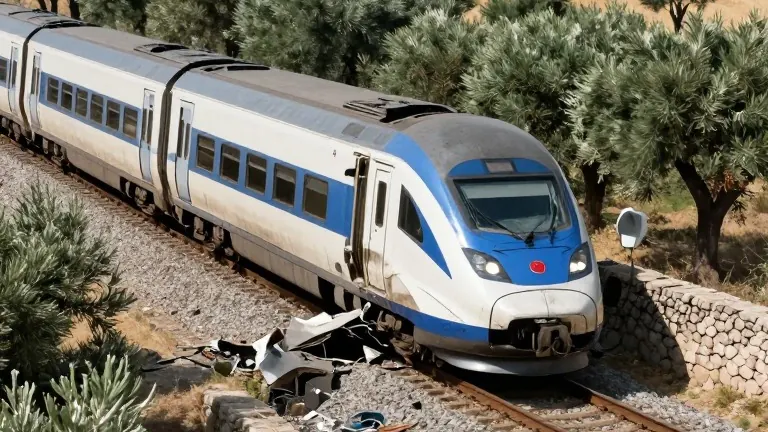
According to Puente, a computer malfunction caused a security system to fail on a 63-kilometer stretch of track at 8:30 a.m. All trains on that line stopped. The IRYO train halted near Urda, while a RENFE train stopped 25 kilometers behind it. Minutes later, central command instructed the RENFE train to resume movement without speed restrictions, despite an active stop signal on the line. The RENFE train collided with the stationary IRYO train at 8:53 a.m.
Puente noted that the train should not have been cleared to move, or at minimum should have been ordered to travel at reduced speed. He stated that the train engineers were not to blame for the collision.
Political rivals have reacted with varying degrees of restraint. Popular Party leader Alberto Núñez Feijóo demanded a full investigation and canceled his party's campaign events for the day to respect the victims. "This is the moment to respect the dead, the injured and their families," Núñez Feijóo said. He added that Spaniards are asking tough questions that require answers.
Santiago Abascal, leader of the far-right Vox party, took a sharper tone. He criticized the government, calling it a "criminal organization" in a statement released hours after the crash. "I promise to work tirelessly until this government.. is sitting in a courtroom to answer for its crimes," Abascal said. His party is positioned to potentially enter a coalition with the conservatives.
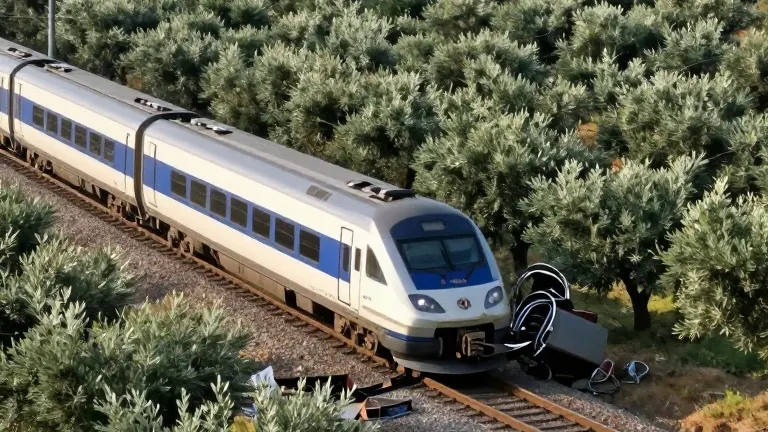
Rescue operations continued late into Wednesday. Hundreds of emergency workers, firefighters, police, and soldiers assisted in recovering bodies and rescuing survivors. Cranes were deployed to move sections of the damaged trains as the cleanup effort began in the olive-grove lined rail corridor.
Source: KGOU