Spacecraft Valuation: $350 Million Fundraise and 22 Refueling Cycles Shape Aerospace Outlook
Reaction Dynamics pursues major capital to expand workforce, while SpaceX navigates military contract rejections and complex lunar logistics requirements.
By Robert Herrera ·
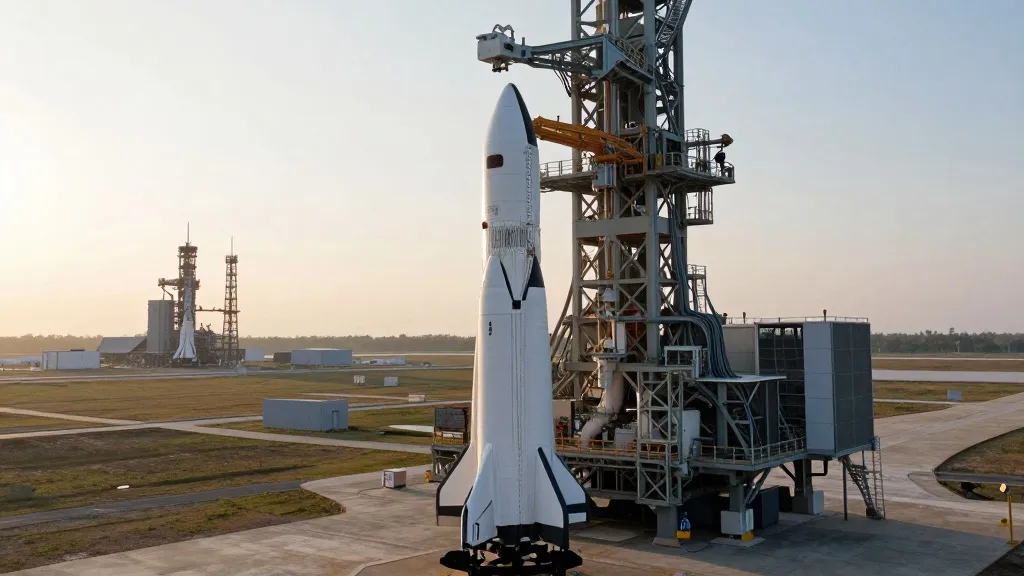
Reaction Dynamics is currently seeking to raise 350 million dollars to significantly expand its operations and accelerate the development of its next-generation launch vehicles. This substantial capital raise is intended to grow the company's staff from its current headcount of 68 employees to a workforce of more than 350 individuals. The funding round represents a critical step for one of three prominent Canadian launch startups, aiming to solidify its position in the competitive small-lift market while simultaneously planning for future medium-lift capabilities.
The primary objective of this financial expansion is to support the development of the Aurora rocket, a small-lift vehicle that Reaction Dynamics hopes will reach orbit in 2028. Beyond the immediate needs of the Aurora program, the company has also announced plans to build a medium-lift rocket named Borealis. The debut of the Borealis is targeted for 2031, indicating a long-term strategic roadmap that extends well beyond the next few years. This dual-track approach allows the firm to maintain a steady pipeline of products while scaling its engineering and manufacturing teams.
In parallel developments within the industry, SpaceX has made significant headlines regarding its relationships with both military and civil space sectors. The company recently informed the US Space Force that it would decline three offered military launch contracts. This decision to pass on these government opportunities marks a notable shift in how the company is managing its launch portfolio. The rejection suggests a strategic prioritization of other resources or contractual terms, providing a clearer picture of SpaceX's current operational focus.
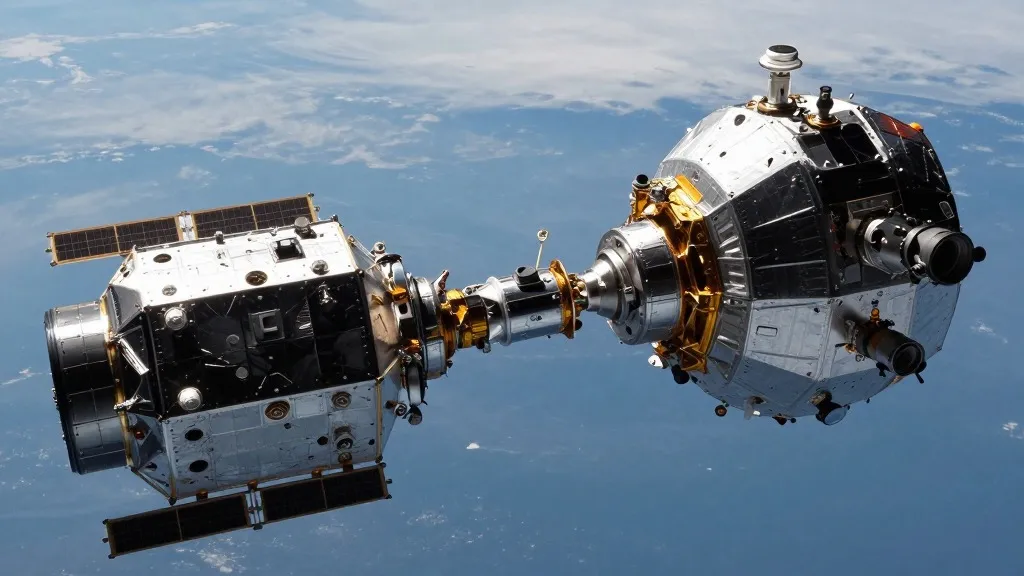
On the civil space front, a NASA safety panel has issued a detailed assessment regarding the technical requirements for SpaceX’s Starship. The panel indicated that the vehicle may require up to 22 refuelings to successfully support a lunar landing. This high number of propellant top-ups underscores the complexity and logistical challenges involved in deep space missions. Such requirements have significant implications for mission planning, infrastructure development, and the overall timeline for achieving sustained lunar access.
Meanwhile, European efforts in small-lift rocketry are approaching a critical milestone. PLD Space has reported that its Miura 5 rocket is nearing final integration for its inaugural launch. The company is targeting a first flight of this small-lift vehicle before mid-2027. This progress is the result of continuous work across different stages of production, with lessons learned from qualification campaigns being directly applied to the launch vehicle. The upcoming flight will serve as a crucial validation of the design and manufacturing processes.
PLD Space has already manufactured three Miura 5 rockets, with the other two designated for qualifying key system elements. According to CEO Raúl Torres, this manufacturing approach has allowed the team to work continuously and apply insights gained from each qualification campaign. One Miura 5 second stage is now fully integrated and is undergoing system-level testing under representative operating conditions at the company’s Teruel test facility. This testing includes a wet dress rehearsal and a static hot-fire test, which are essential steps before a vehicle can be cleared for orbital flight.
The convergence of these developments highlights the diverse trajectories of the global space industry. While some companies are scaling up their human capital and financial resources to meet aggressive orbital targets, others are refining the technical specifications of their vehicles through rigorous testing. The interplay between commercial ambitions, government contracts, and technical safety requirements continues to define the pace of innovation. Stakeholders across the sector are closely monitoring these shifts to understand the broader implications for future launch capabilities and space exploration goals.
As the industry moves forward, the focus remains on translating development milestones into operational reality. The potential expansion of Reaction Dynamics’ workforce, the strategic decisions made by SpaceX, and the imminent launch preparations by PLD Space all contribute to a dynamic landscape. Each of these elements plays a role in shaping the next phase of commercial spaceflight, from low Earth orbit missions to deep space exploration. The coming months will likely reveal further details on how these initiatives progress toward their respective targets.
Source: Ars Technica · original report published