
Wolves in the Village: Google's AI Push Turns Finnish Forests to Mud
Displaced wolf packs are entering nearby settlements after unauthorized construction for AI data centers cleared over 1,300 acres of woodland in eastern Finland.
By Eric Coleman ·
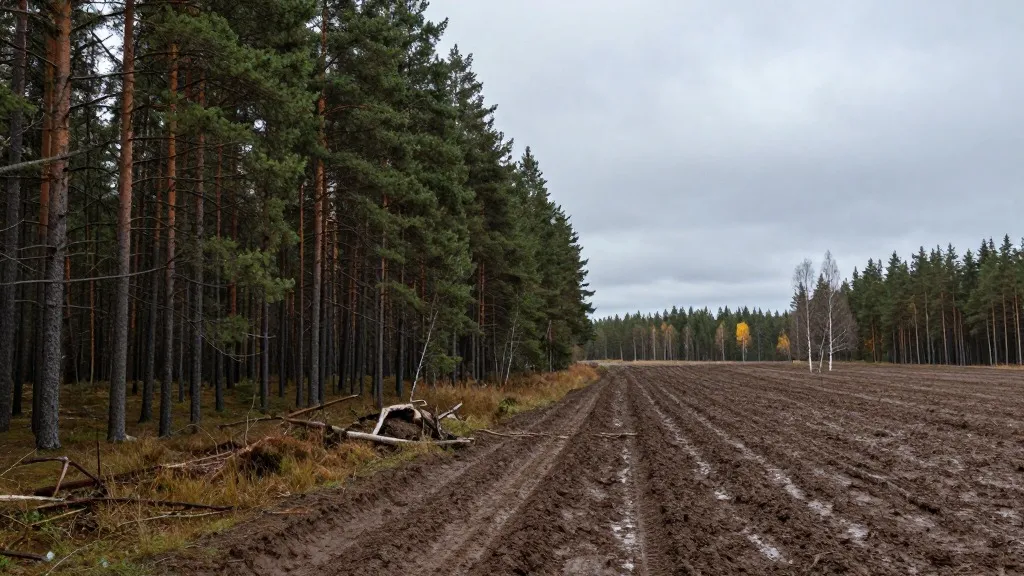
The quiet rhythm of life in the Finnish village of Otanmäki has been disrupted by an unexpected neighbor: the wolf. For generations, local families have lived in relative peace, but that balance has fractured as wild animals, driven from their natural habitats, begin to roam into residential areas. This shift is not a natural migration but a direct consequence of massive land alterations nearby. The tension between rapid technological expansion and environmental stewardship has reached a boiling point, with residents now facing the very predators they once kept at a respectful distance.
The catalyst for this change is the aggressive push by the American tech giant Google to build new artificial intelligence data centers in Finland. To make room for these facilities, the company cleared approximately 1,300 acres of forest across two sites, near Muhos and Otanmäki. This extensive deforestation has transformed dense woodland into large expanses of exposed mud. The scale of the work was significant enough that the Finnish Licensing and Supervision Authority (LVV) issued an order for Google to cease operations in these specific areas, a move that underscores the severity of the situation.
Local residents argue that the company moved with a sense of urgency that sidelined standard regulatory procedures. Anni Ranta, a 53-year-old resident whose family has called Otanmäki home for generations, explained that the wolves entered the village because the wild animals were forced out of the forest. For Ranta, the issue goes beyond aesthetics; it represents a tangible safety concern for her community. She also expressed a broader geopolitical anxiety, fearing that the presence of U.S.-owned infrastructure makes Finland a more attractive target for potential aggression from Russia.
The environmental damage extends beyond the mere loss of trees. Local observers have reported that construction noise and the activity associated with factory work have become a persistent nuisance. Waterways in the area are turning brown, and rare bird species have been pushed out of their traditional territories. These side effects have fueled a growing discontent among locals who feel that the environmental costs of hosting cutting-edge AI technology are being borne by the community rather than the corporate entity.
Representatives from the Finnish Association for Nature Conservation (SLL) characterized Google’s handling of environmental policy as unprecedented and clearly flawed. The regulatory body, LVV, appears to share this view, given its directive to stop development. Despite the formal order to pause, a Google spokesperson maintained a positive outlook. They stated that the company will fully comply with the LVV’s requests and look forward to an open dialogue with authorities. The company seems to be banking on the long-term business benefits of the data centers to maintain a strong partnership with Finland and local organizations.
This incident follows a pattern seen in other parts of the world, including the United States, where AI data center developers have faced similar complaints regarding environmental impact. However, the reaction in Finland has been particularly sharp due to the sheer volume of forest cleared and the subsequent displacement of wildlife. The situation highlights a growing friction between the global demand for computational power and the local realities of land use.
As the construction halts, the question remains: what happens next? The mud flats that replaced the forest stand as a stark reminder of the physical footprint of digital infrastructure. For the families of Otanmäki, the immediate concern is the safety of their homes and the return of the natural order. The dispute is now a test of whether corporate promises of future benefits can outweigh the present-day disruption caused by the race to build the next generation of AI.
Source: Tom's Hardware · original report published