Governors in Flux: 19 Open Seats Define 2026 Midterm Battlegrounds
With the nation's executive offices evenly split, voters in Texas, Oklahoma, and other Southern states decide control of statehouses.
By Robert Herrera ·
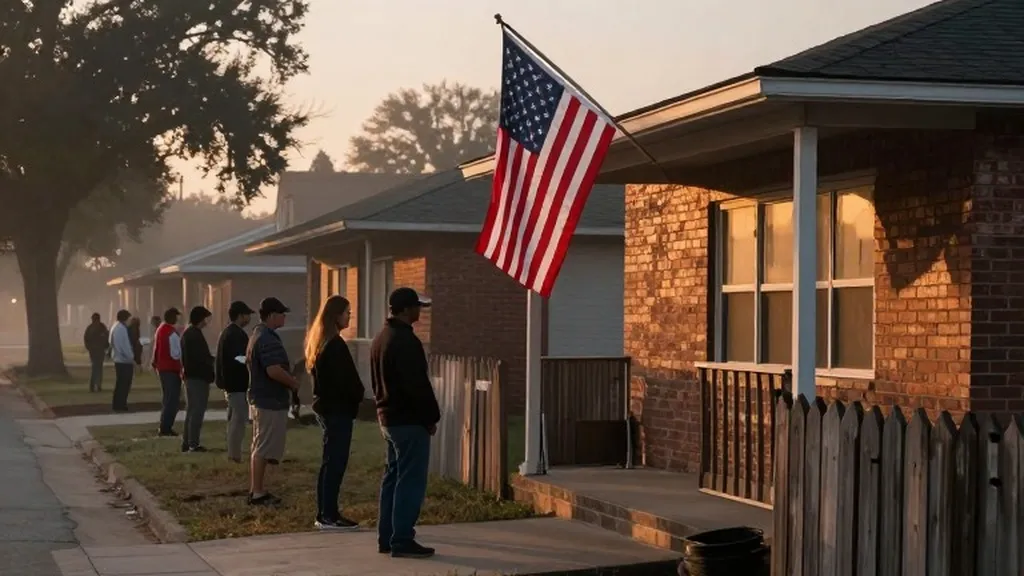
Americans cast ballots on Tuesday, November 3, 2026, in a midterm election that serves as a referendum on President Donald Trump's second term. The Associated Press reports that voters are grappling with high prices and an unpopular war with Iran. This election determines who controls Congress for the president's final two years. It also decides the outcome of thirty-six governor races that could shift the balance of power in state government. The stakes are high as both parties fight to maintain or gain a majority of executive offices nationwide.
According to Ballotpedia, Republicans currently hold twenty-six governor's offices while Democrats hold twenty-four. Of the thirty-six offices on the ballot this year, each party holds eighteen. This creates an eighteen to eighteen split heading into the election. Democrats would need a net gain of two governorships to achieve a nationwide majority, a status Republicans have held since 2010. The outcome of these races will determine which party controls the majority of state executive branches for the next four years.
Nineteen of the thirty-six governor races feature no incumbent on the ballot. Ballotpedia notes that fifteen governors are term-limited and cannot run again. Additionally, Iowa's Kim Reynolds, Minnesota's Tim Walz, and Wisconsin's Tony Evers chose not to seek reelection. Rhode Island's Daniel McKee lost his primary. These open seats provide opportunities for challengers to unseat the party currently in power. The absence of incumbents often leads to higher levels of competition and less predictable outcomes in these contests.
Nine states are designated as battlegrounds for the governorship. These include Alaska, Arizona, Georgia, Iowa, Kansas, Michigan, Nevada, Ohio, and Wisconsin. Democrats are defending five of these governorships in states that Trump won in 2024. These states are Arizona, Kansas, Michigan, Pennsylvania, and Wisconsin. Republicans are defending two governorships in states that Kamala Harris won. These are New Hampshire and Vermont. The Associated Press identifies Texas, Florida, and Iowa as competitive governor races, highlighting the intense competition in the South and Midwest.
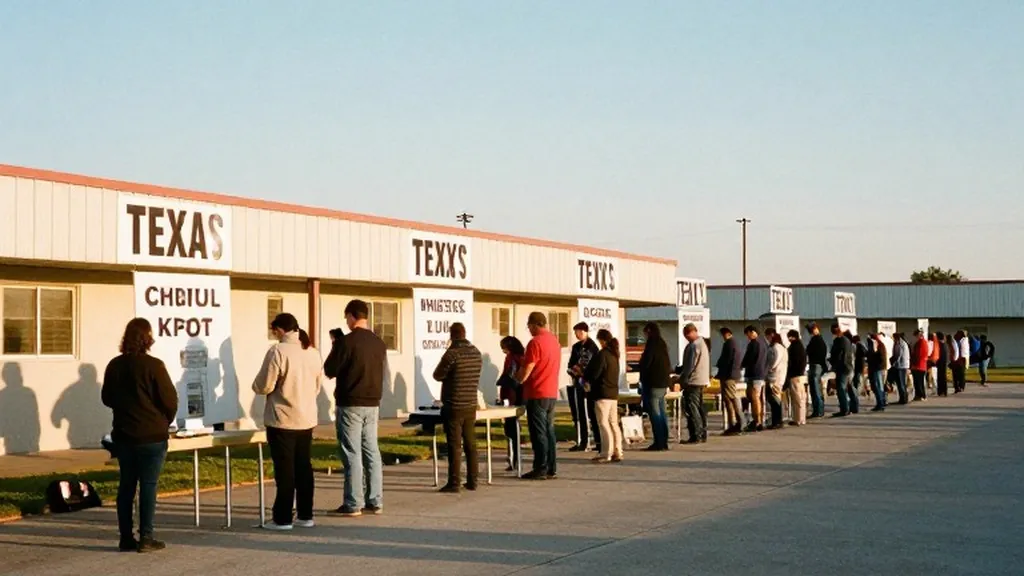
In Texas, voters are deciding the fate of the governor's office alongside a competitive Senate race. Greg Abbott is the incumbent in the governor race, while the Senate seat is open. The Associated Press notes that Republican Attorney General Ken Paxton won the primary for the Senate seat, with Trump backing him over Senator John Cornyn. In the governor race, the state's political landscape remains a key focus for both parties. Texas polls are open from 7 a.m. to 7 p.m. local time. The outcome of this race will significantly impact the party composition of the South Central region.
Oklahoma also has an open seat for governor, with no incumbent on the ballot. The state is part of the South Central focus for this election. Voters in Oklahoma will also decide the state's Senate race, which is also an open seat. Polls in Oklahoma are open from 7 a.m. to 7 p.m. local time. The Associated Press describes the election as a critical test for both parties in the region. The open nature of both races in Oklahoma makes the state a significant wildcard in the broader national picture of the midterms.
Arkansas presents a different dynamic with two incumbents running for reelection. Sarah Huckabee Sanders is the incumbent in the governor race, and Tom Cotton is the incumbent in the Senate race. Both are seeking to retain their offices. Polls in Arkansas open at 7:30 a.m. and close at 7:30 p.m. local time. The Associated Press highlights the importance of these races in the context of the broader Southern political landscape. The presence of incumbents in both major offices in Arkansas adds a layer of stability to the state's election outcomes.
Louisiana is another key state in the South Central region, though it has no governor race this year. The state is deciding its Senate race, which is an open seat. Polls in Louisiana open at 6 a.m. and close at 8 p.m. for Tuesday elections. The Associated Press notes that the state's political dynamics are influenced by the broader national trends of high prices and economic concerns. The open Senate seat in Louisiana is a significant race that could impact the balance of power in the U.S. Senate.
The Associated Press reports that more than 57 million people had already voted as of Monday, surpassing early voting records from four years ago in many closely watched states. This high turnout reflects the intensity of the 2026 midterm elections. The Associated Press notes that Republicans are bracing to lose the House while fighting to hold the Senate. Democrats are described as cautiously optimistic. The outcome of the governor races will be a key indicator of the overall success for each party in this historic election.
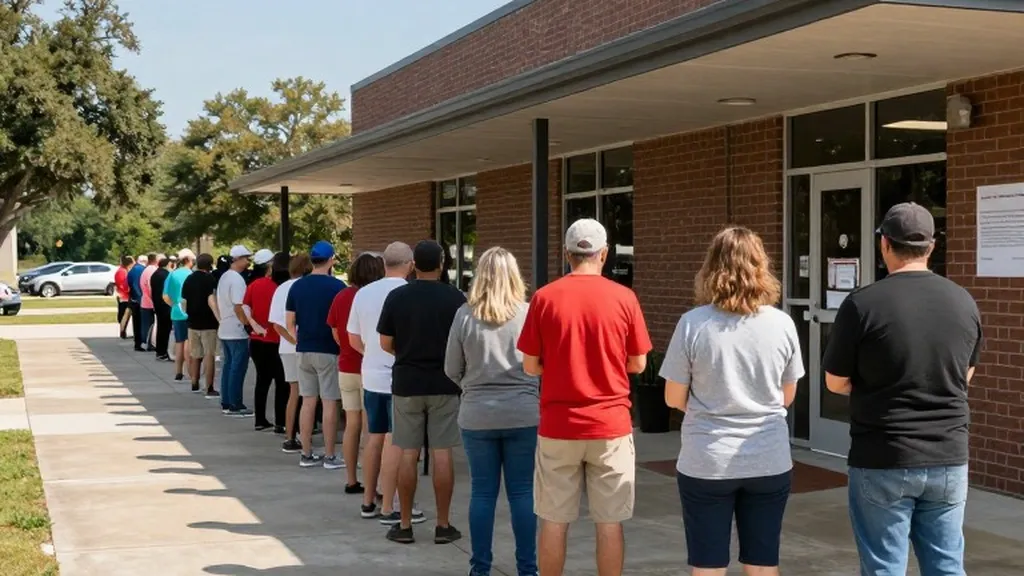
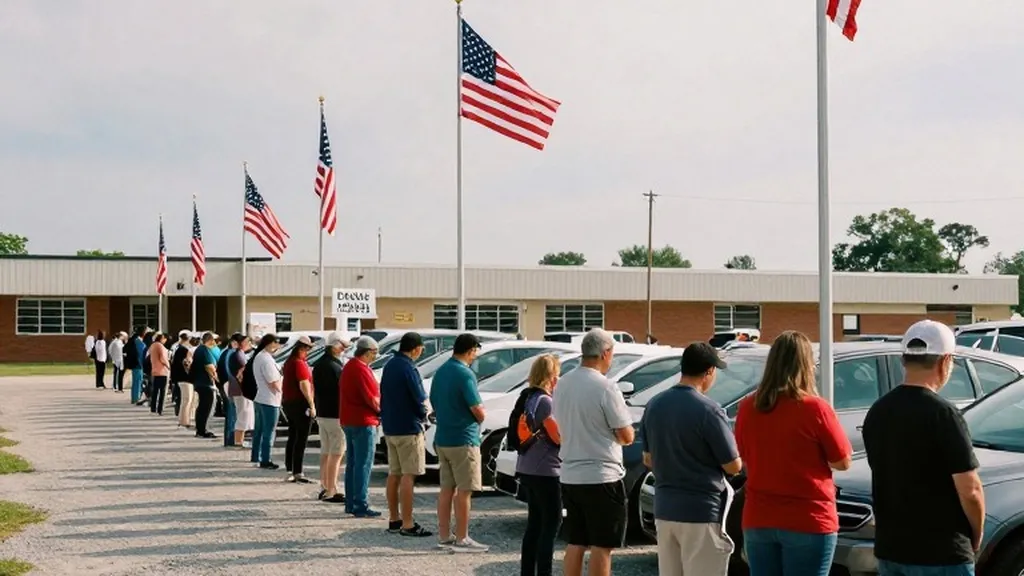
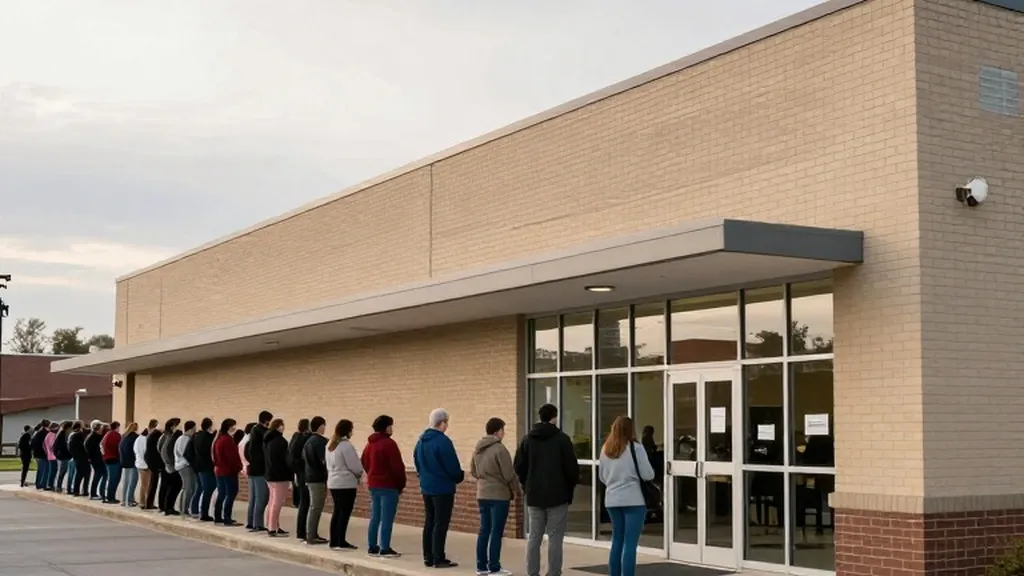
Voters in all states are encouraged to check their local polling place hours and identification requirements before heading to the polls. The Associated Press emphasizes that anyone in line when polls close is entitled to vote. The election is not just about Congress but also about the control of state governments. The thirty-six governor races will determine which party holds the majority of executive offices nationwide. The results of these races will shape the political landscape for the next four years.
The Associated Press notes that the 2026 elections are likely to be the most expensive in history. Republican committees have outraised and outspent Democratic committees, helped by Trump-affiliated groups and Elon Musk. However, at the candidate level, Democrats have outraised their opponents. The Associated Press analysis of AdImpact data shows that 88.1% of Republican general election TV ad spending went to states and districts Trump won in 2024. This spending pattern highlights the focus on maintaining Republican control in areas where the party has strong support.