Texas Midterms: The Long Road From Ballot Box to Certification
Preliminary numbers will appear after 7 p.m. on Nov. 3, but official certification involves a multi-step process that extends into January.
By Sakura McCarthy ·
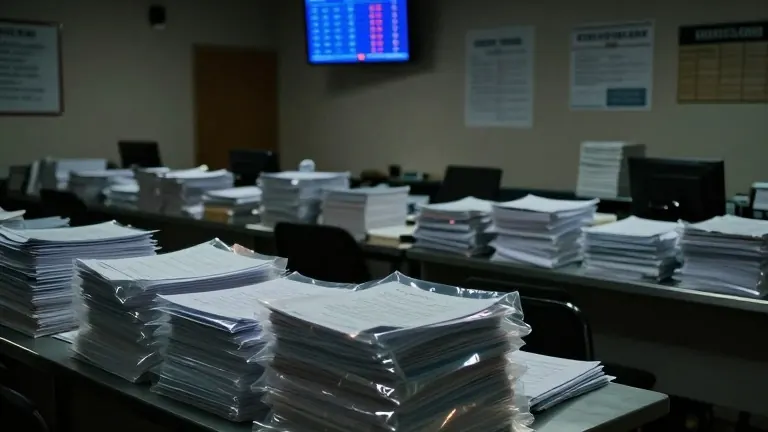
Texans will see preliminary results shortly after polls close at 7 p.m. on Tuesday, Nov. 3, but a gap exists between those first numbers and the final legal outcome. While early voting data provides an immediate snapshot, the official count requires a lengthy consolidation process that continues well into the following weeks.
Election officials in counties with populations exceeding 100,000 are permitted to begin counting mail-in ballots immediately after the close of early voting. Smaller counties must wait until the morning of Election Day to start this process. Once counting begins, state law prohibits a pause until the tally is complete. Election Day totals must be submitted to the state within 24 hours of polls closing.
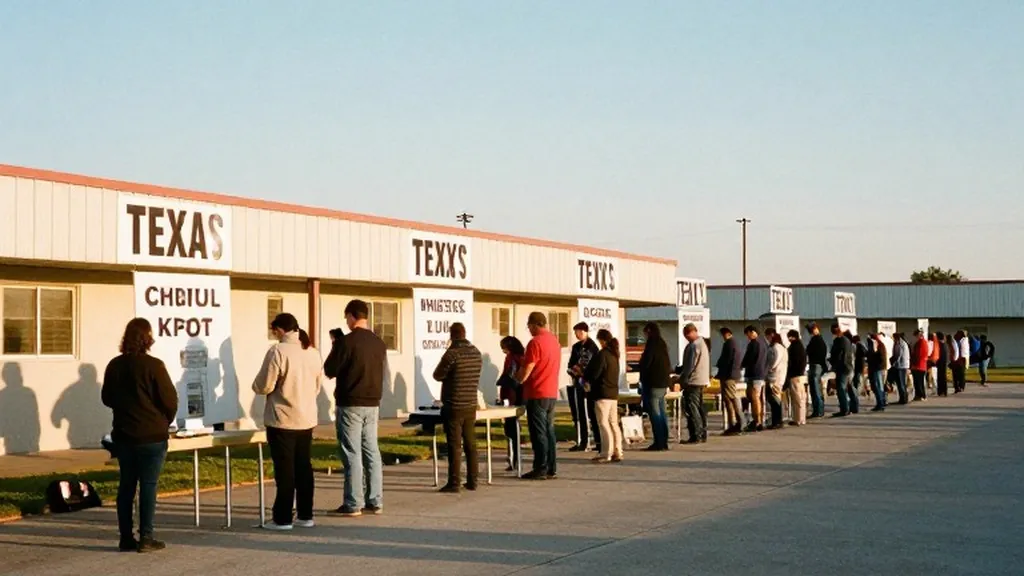
The physical movement of ballots creates logistical delays. In major counties, ballots travel from hundreds of locations to central counting stations. Harris County, the third most populous in the nation, utilizes multiple substations to manage this flow because some polling sites are more than 45 minutes from the main headquarters. Polling places must remain open until every person in line at 7 p.m. has voted, and the El Paso area operates on Mountain Time, adding a one-hour lag to the timeline.
Mail-in ballots sent within the U.S. have a receipt deadline of Nov. 4, while those sent from overseas are due by Nov. 9. All such ballots must have been mailed before 7 p.m. on Nov. 3. Provisional ballots, issued to voters with uncertain eligibility, must be reviewed by Nov. 13.
Recount rules in Texas are strict. Only an exact tie triggers an automatic recount. A losing candidate may request a recount only if the margin is 10% or less of total votes cast and must pay the cost upfront. The deposit is $100 per precinct for electronic systems and $60 for paper ballots. Kevin Johnson, executive director of Election Reformers Network, noted that it is rare for recounts to change the outcome, though he acknowledged that incidents do occur. Jonathan Diaz of the Campaign Legal Center stated that only five other states limit automatic recounts to exact ties.
Winners declared on election night are not legally finalized until certification. Local commissioners courts certify local races. For state and congressional contests, Secretary of State Robert Howden verifies the tabulation, after which Gov. Greg Abbott issues a certificate of election. The governor and lieutenant governor races will be certified by House Speaker Dustin Burrows on Jan. 12, the first day of the 2027 legislative session.
The Texas Election Code mandates that public officials certify the tabulations. Joshua Blank, research director of the Texas Politics Project at the University of Texas at Austin, emphasized that this is an obligation, not an option. The code uses the word 'shall,' not 'may,' according to Blank.
Source: The Texas Tribune